Flags of All Nations
/vexillology/atlas/1899
About
Flags of All Nations is a colour-printed sheet presenting fifty-two flags of nations and states as understood by an American publisher at the close of the nineteenth century. The sheet carries the page numeral 8 and was evidently issued as a page of a larger atlas or reference work, which has not yet been identified.
This page catalogues the sheet as a historical source. Printed captions are transcribed as printed, with the sheet's italic capitals normalized to mixed case; a modern identification follows each transcription in italics. The printed captions do not by themselves establish that every depicted design was official, current, or colour-accurate at the time of publication — several demonstrably were not (see Method and Next Stage).
Source Catalogue
| Printed title | Flags of All Nations, lettered on a drawn ribbon banner at the head of the sheet. The page numeral 8 is printed below the border. |
|---|---|
| Collection date | c. 1899 (assigned). No date is printed on the sheet. Internal evidence brackets it to about 1896–1902 (see below). |
| Associated work | A larger atlas or reference work, indicated by the page numeral; the containing work has not yet been identified. |
| Publisher | Not stated on the sheet |
| Creator of plate | Not stated on the sheet |
| Language | English |
| Format | Colour-printed sheet within a blue border spangled with white stars; the exact production process has not yet been established |
| Physical extent | One printed leaf; approximately 27 × 36 cm, inferred from the 600 dpi scan. Dimensions of the physical sheet not yet measured directly. |
| Provenance | Not yet recorded |
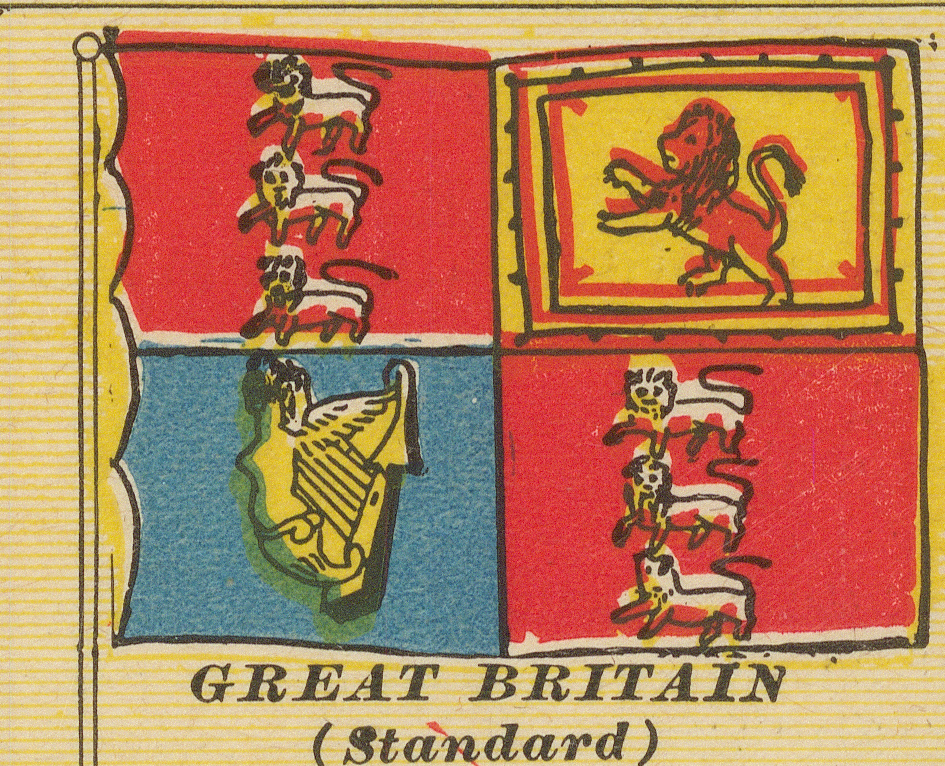
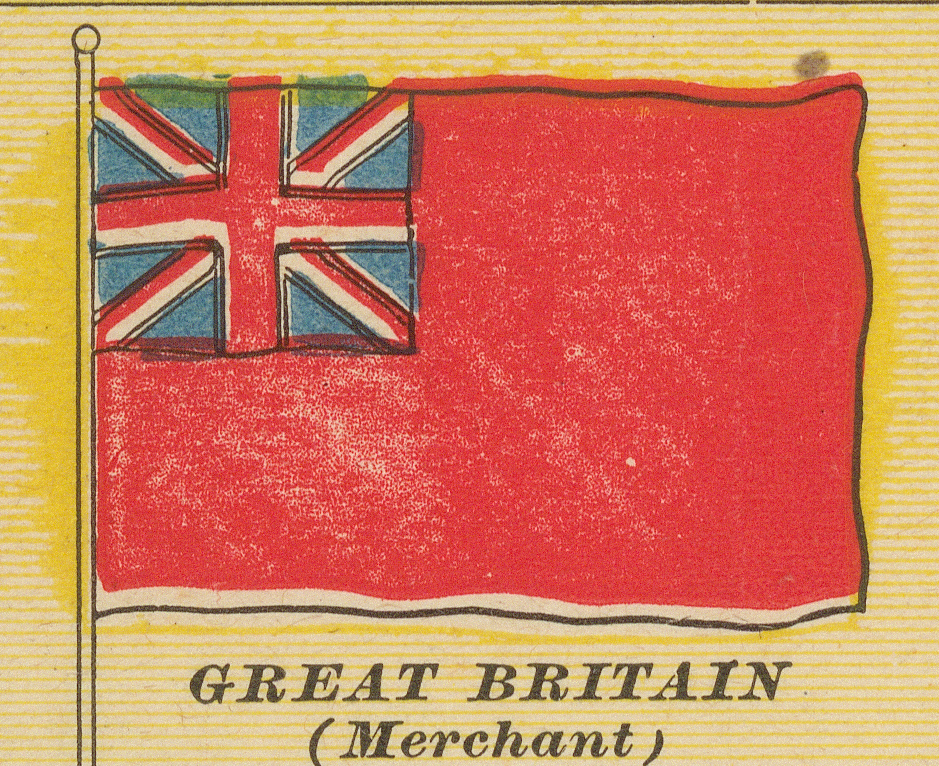
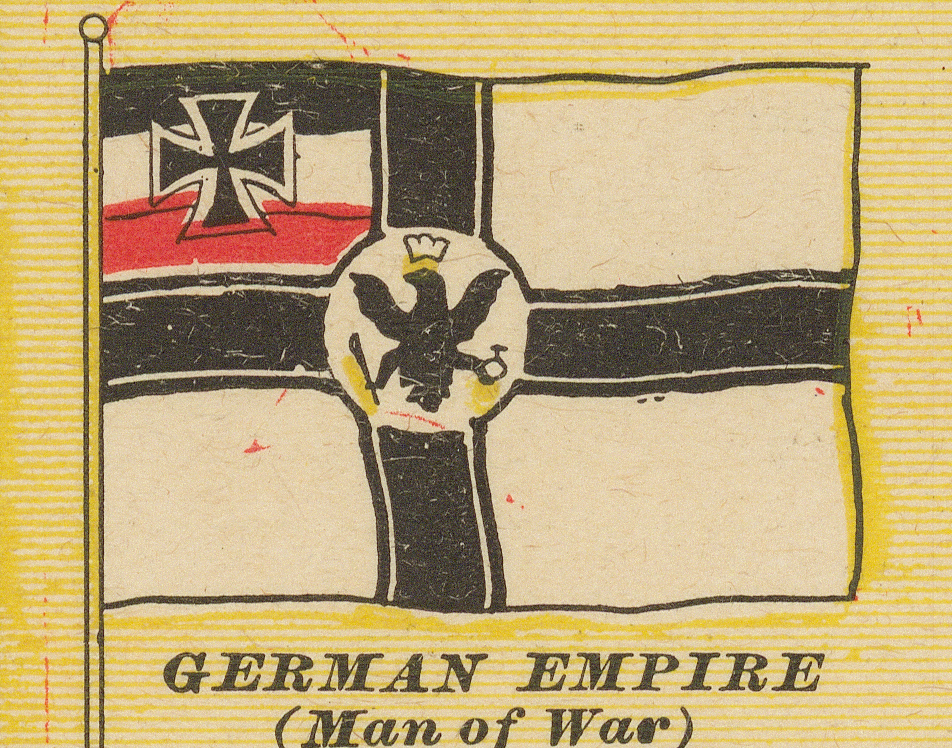
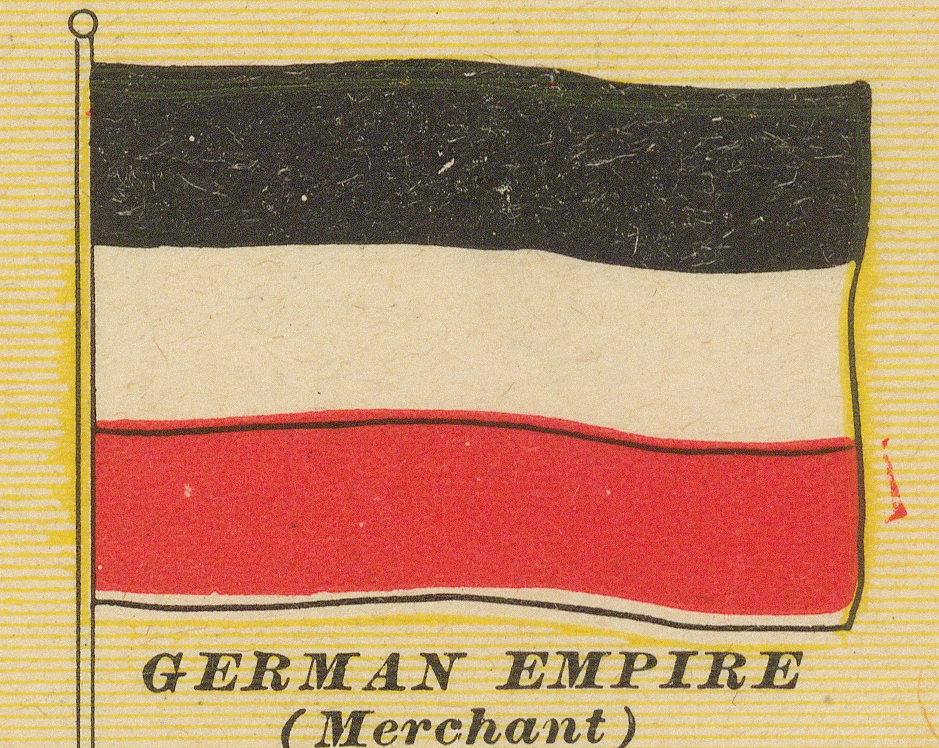
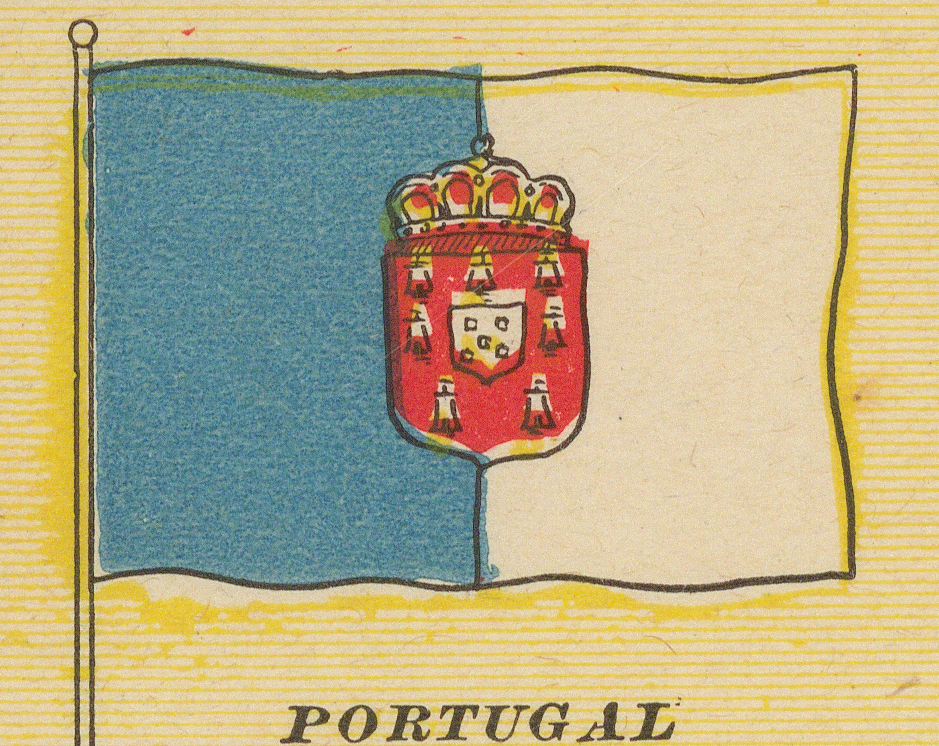
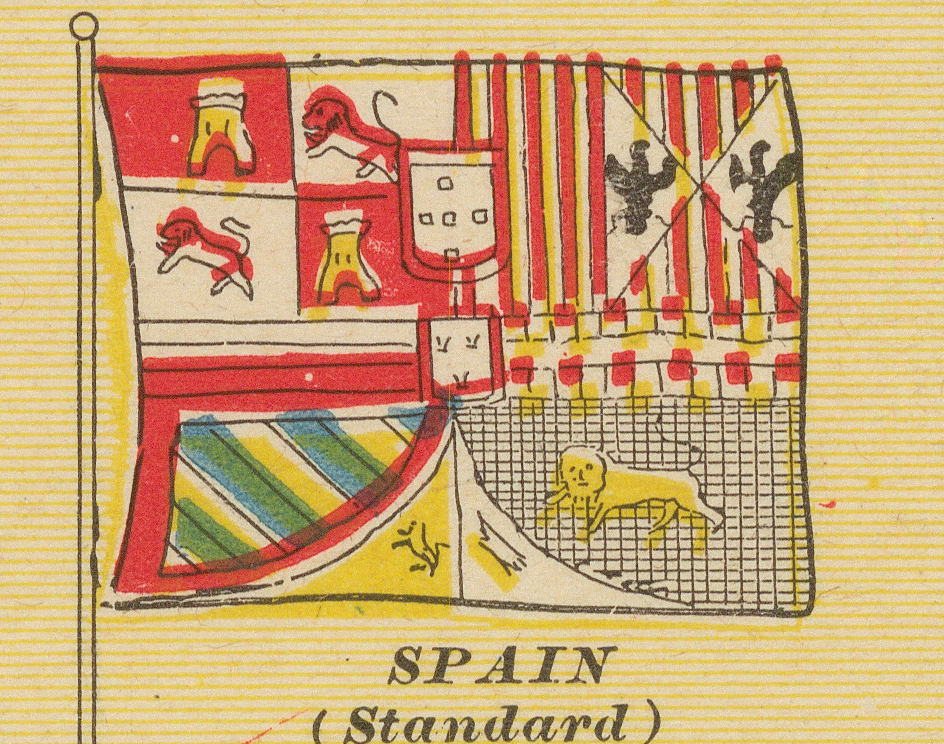
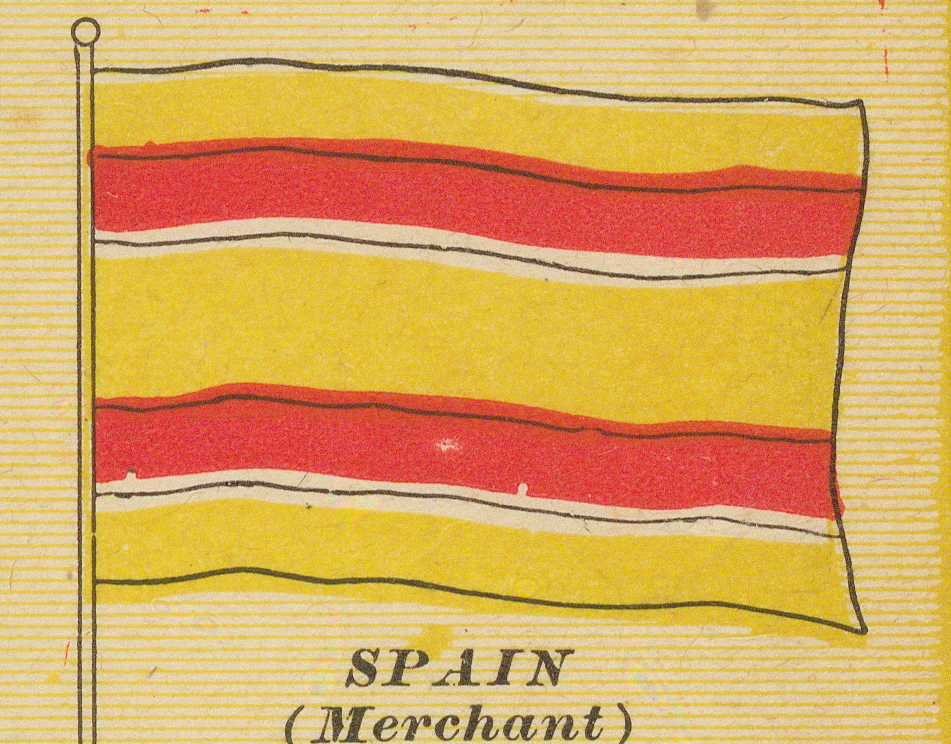
| Contents | 52 flag panels in nine rows. Three polities receive two variant panels each — Great Britain (standard and merchant), the German Empire (man of war and merchant), and Spain (standard and merchant) — giving 49 polities in all. |
| Digital surrogate | Complete sheet: JPEG, 6418 × 8419 pixels at 600 dpi, with a reduced 1100 × 1443 JPEG for display. Extracted panels: PNG (52), cropped from the 600 dpi scan. |
| Catalogue status | Preliminary. The containing work, publisher, provenance, and individual flag analysis remain subject to revision. |
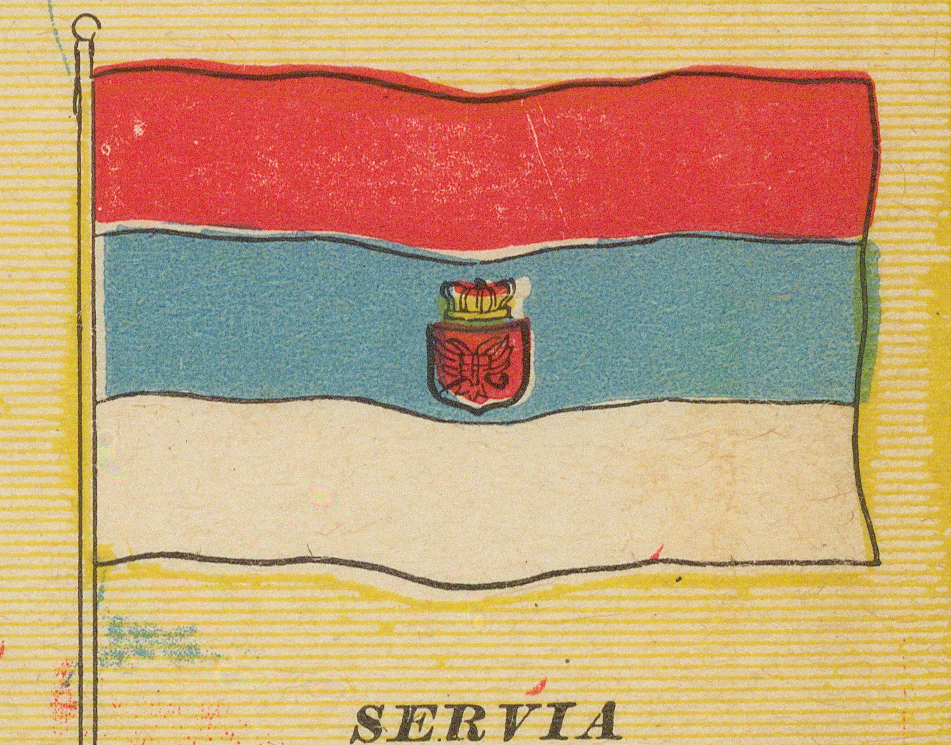
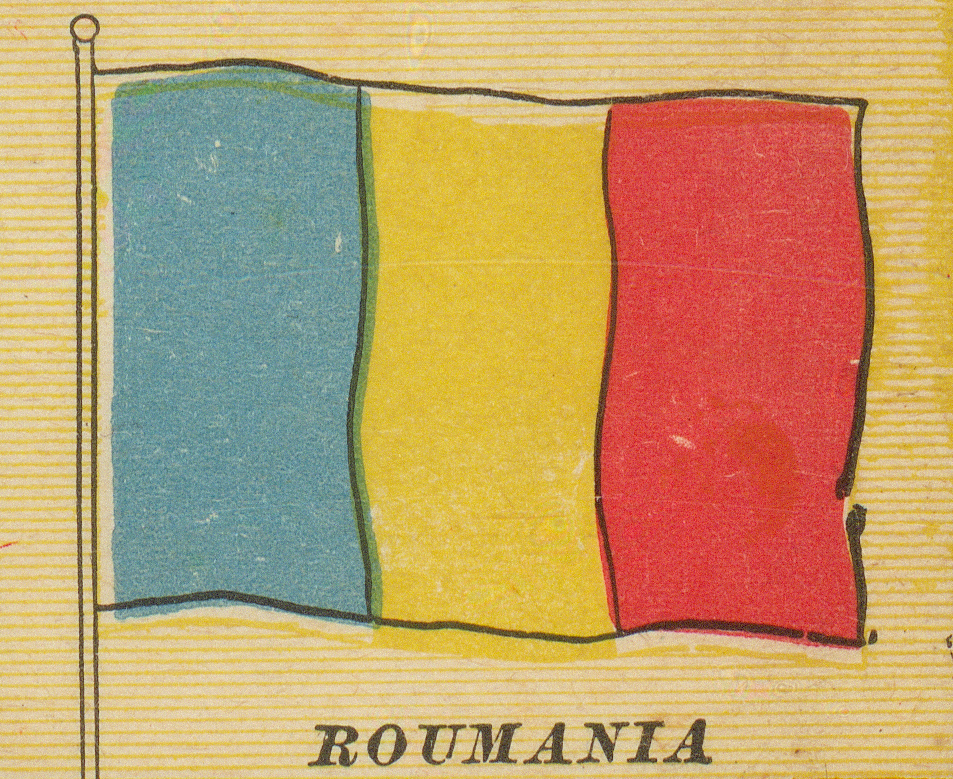
Editorial convention: Printed captions are retained because they are evidence of the source's terminology — Servia, Roumania, Santo Domingo, and Argentine are kept as printed. Modern identification and analysis are supplied separately, without silently replacing the printed labels.
Internal Dating Evidence
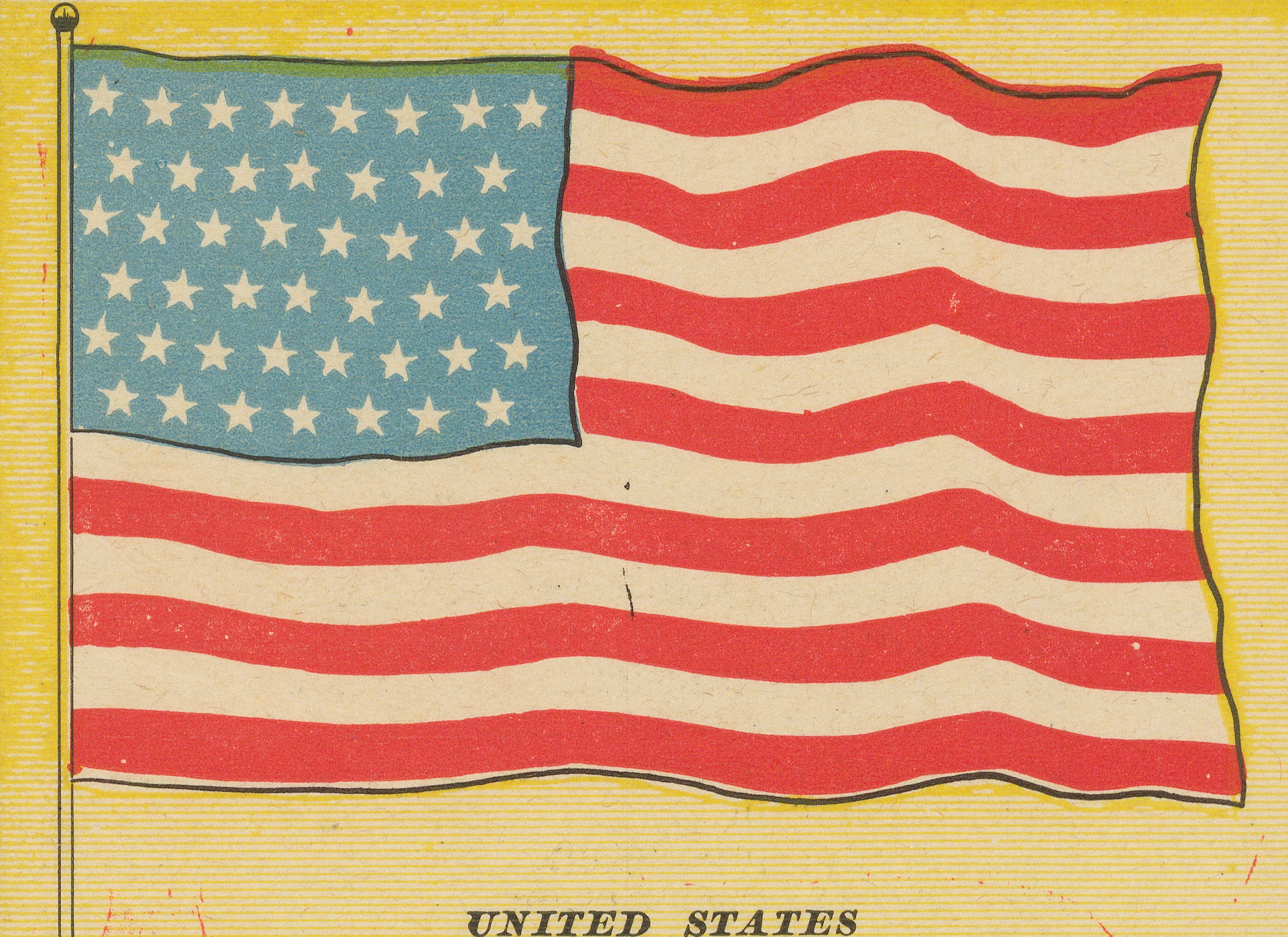
The canton of the United States flag contains 45 stars in rows of 8–7–8–7–8–7. The 45-star flag became official on 4 July 1896, after the admission of Utah, and remained current until the 46th star was added in 1908. The sheet therefore cannot have been prepared before 1896.
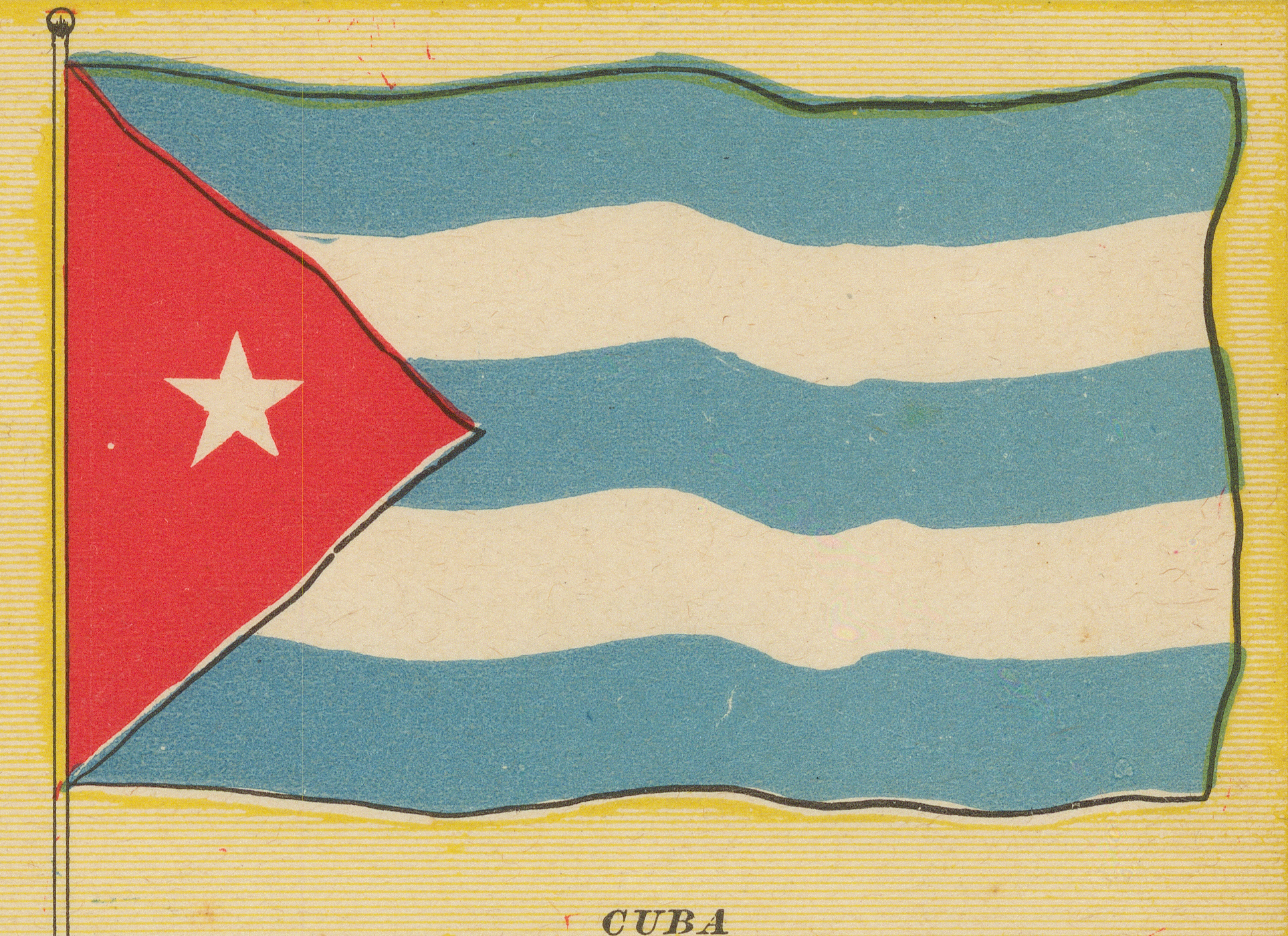
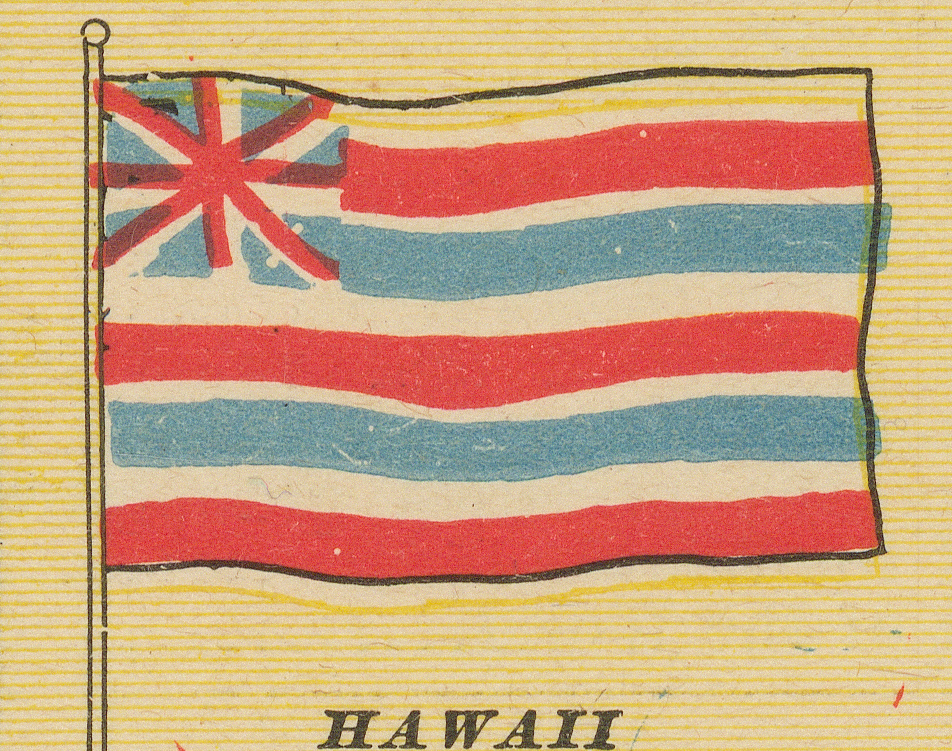
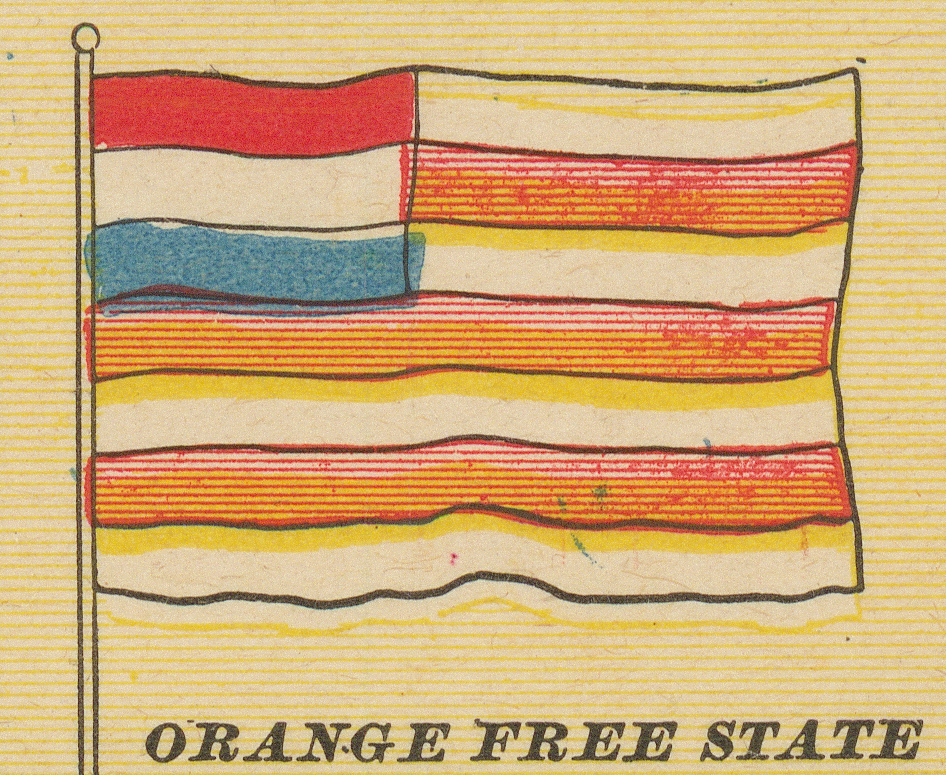
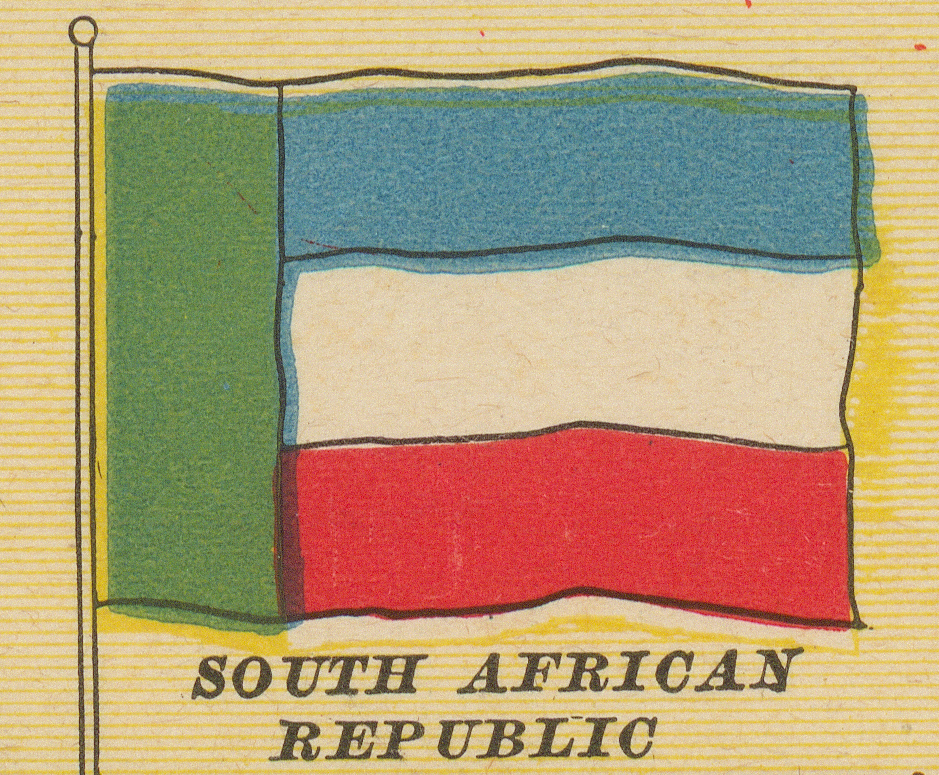
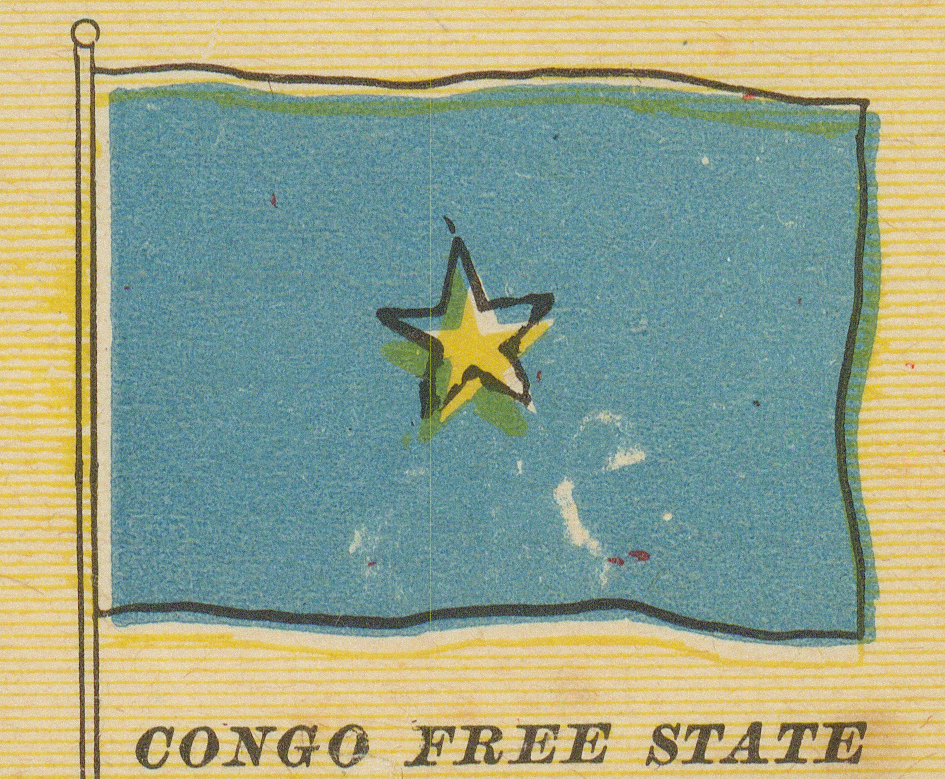
The South African Republic and the Orange Free State appear as independent states; both Boer republics were annexed by Britain during the war of 1899–1902. Cuba is given a full-width panel equal in prominence to the United States, although the Cuban republic was not proclaimed until 1902 — a presentation consistent with American sympathy for the Cuban cause around the war of 1898. The Congo Free State (1885–1908) and the separate Hawaii panel are consistent with the same interval. Taken together, this evidence brackets the sheet to about 1896–1902 and supports the assigned date of c. 1899.
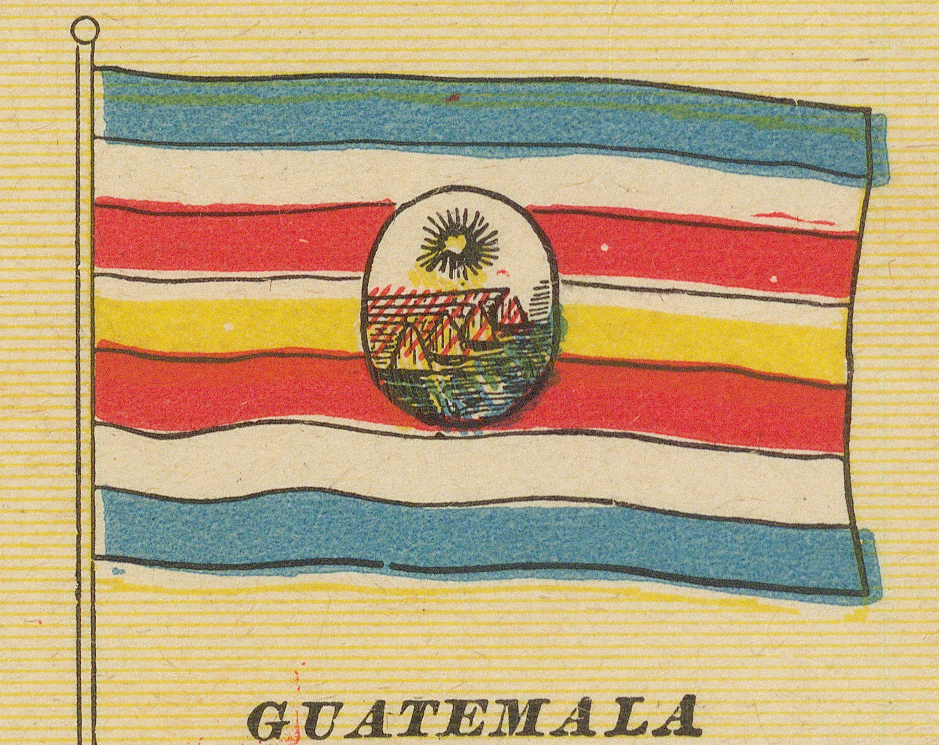
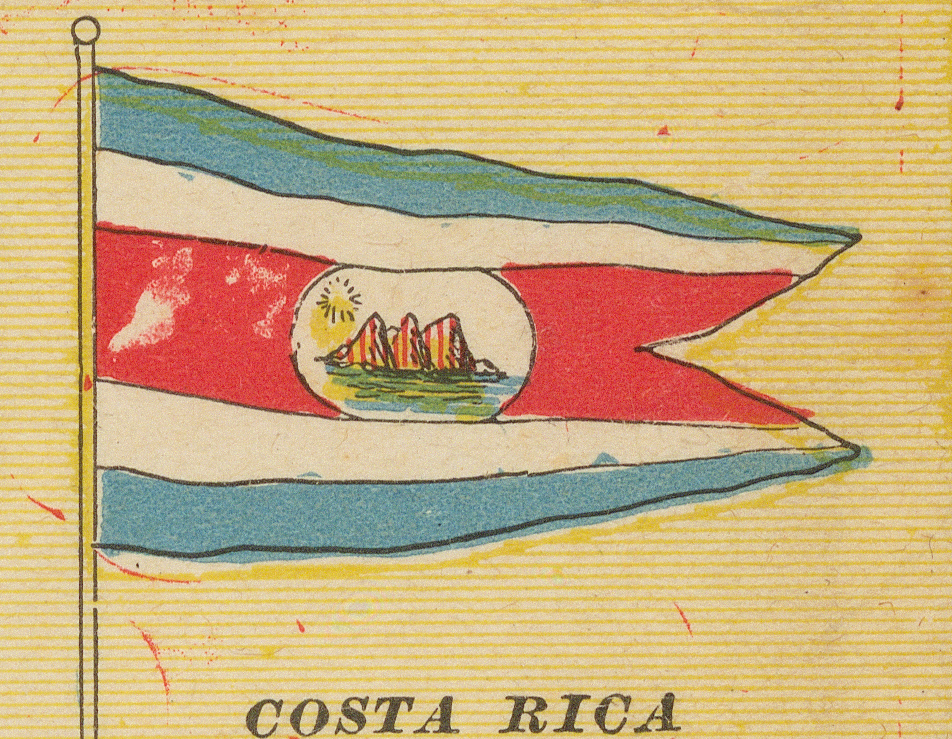
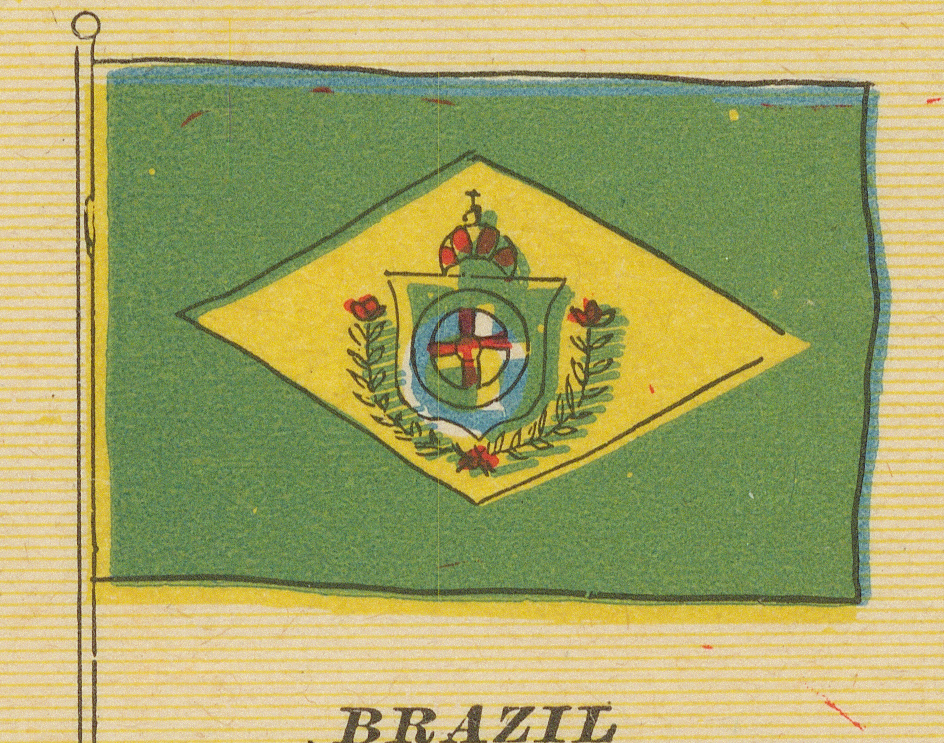
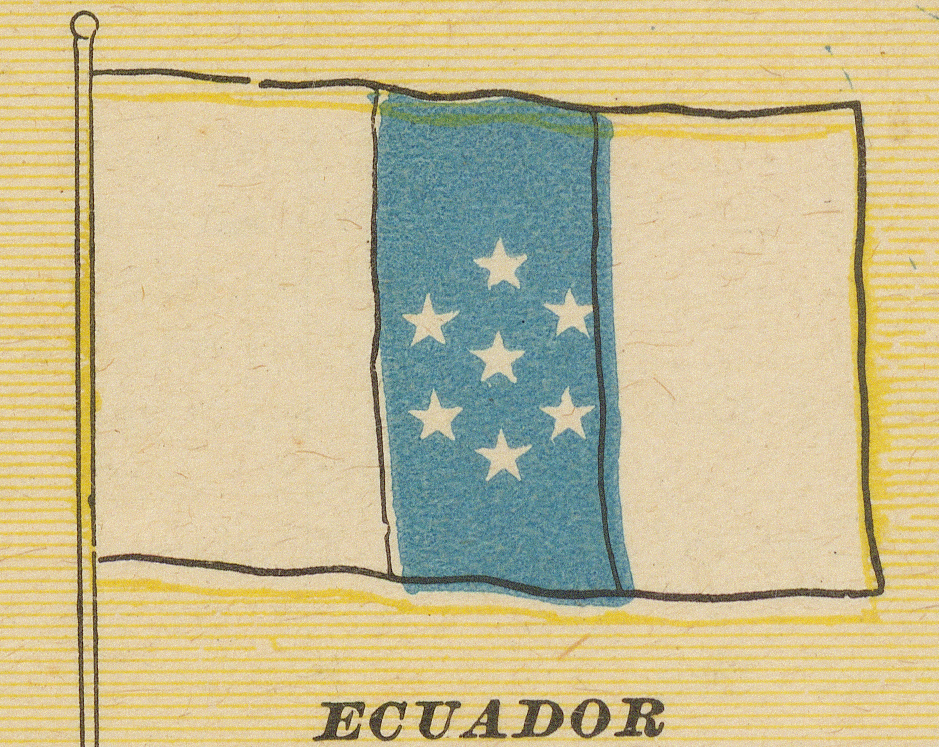
Several panels reproduce designs that were obsolete well before 1896 — notably the imperial flag of Brazil (superseded 1889), the seven-star flag of Ecuador (superseded 1860), and the banded flag of Guatemala (superseded 1871). These are evidence of copying from older models, not of an earlier publication date.
Index of Flag Panels
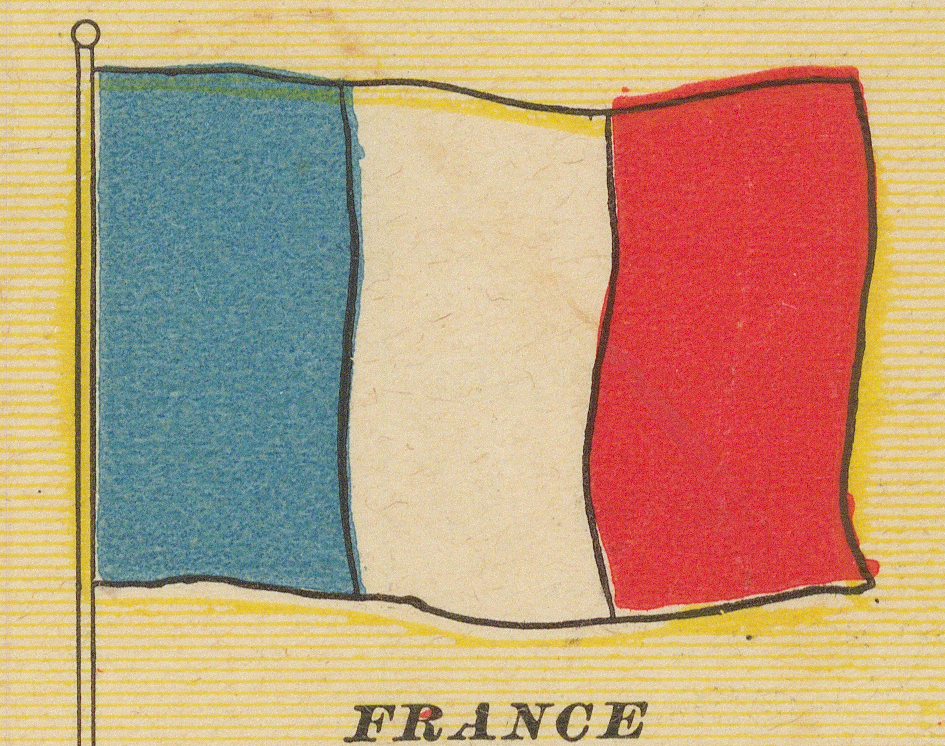
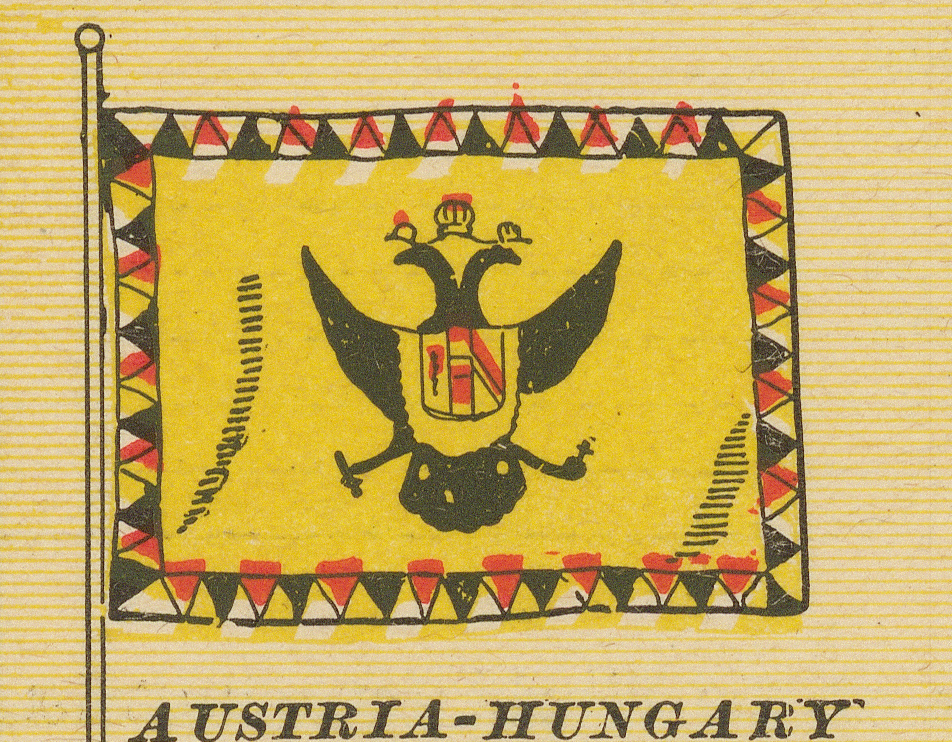
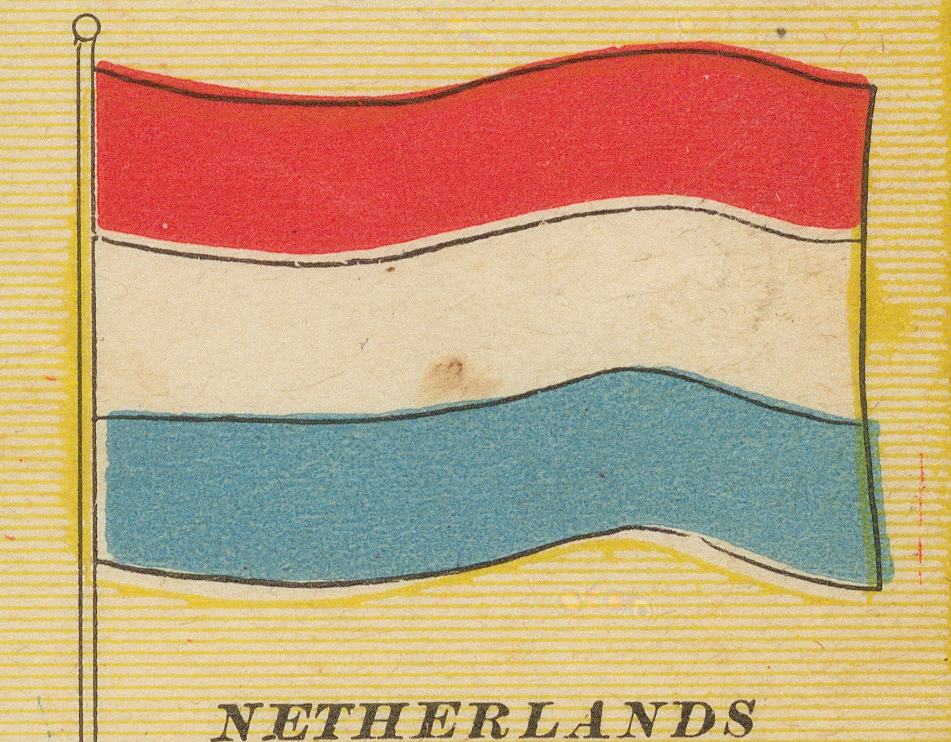
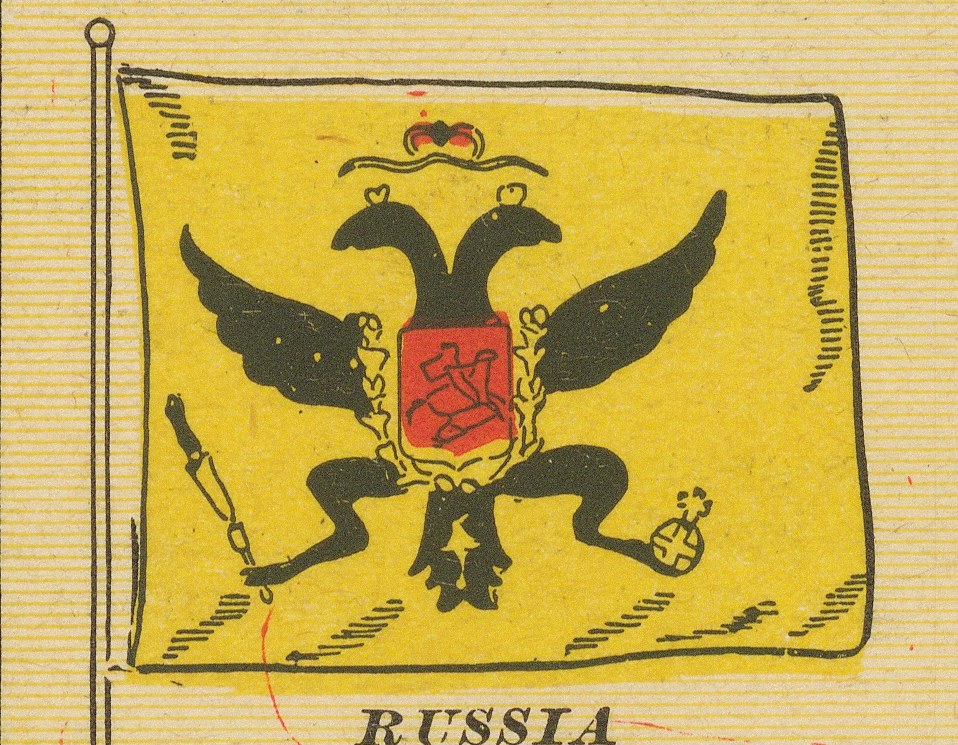
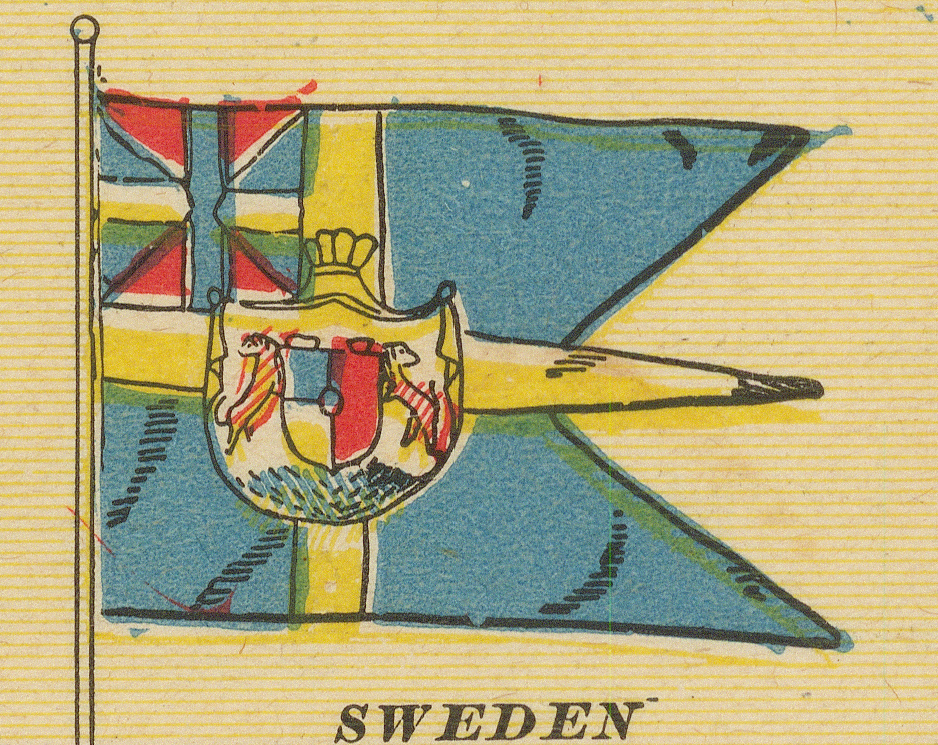
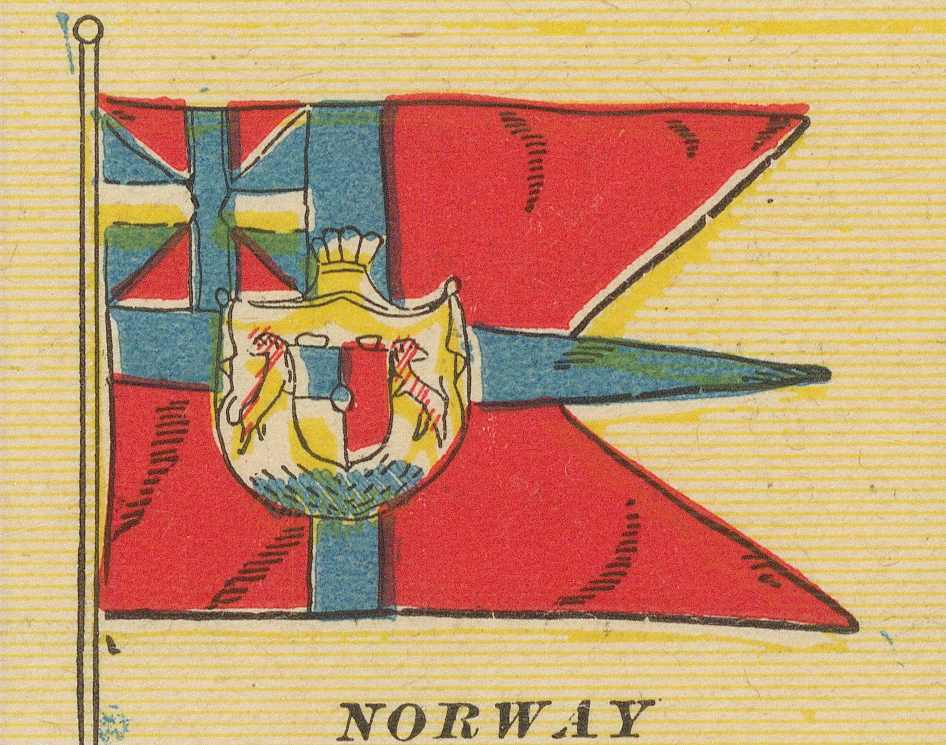
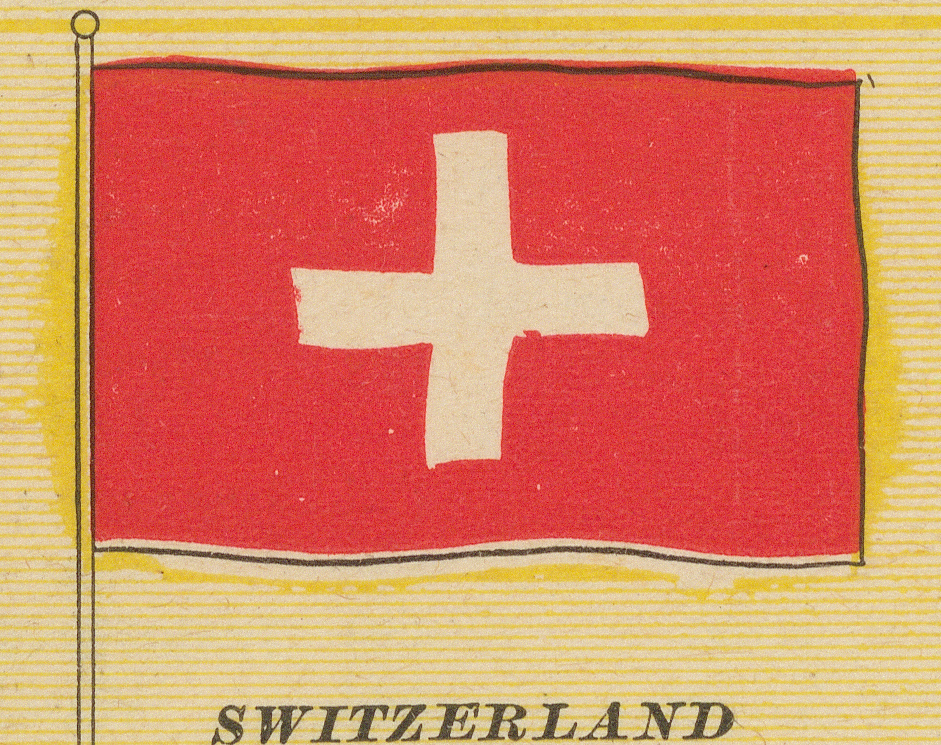
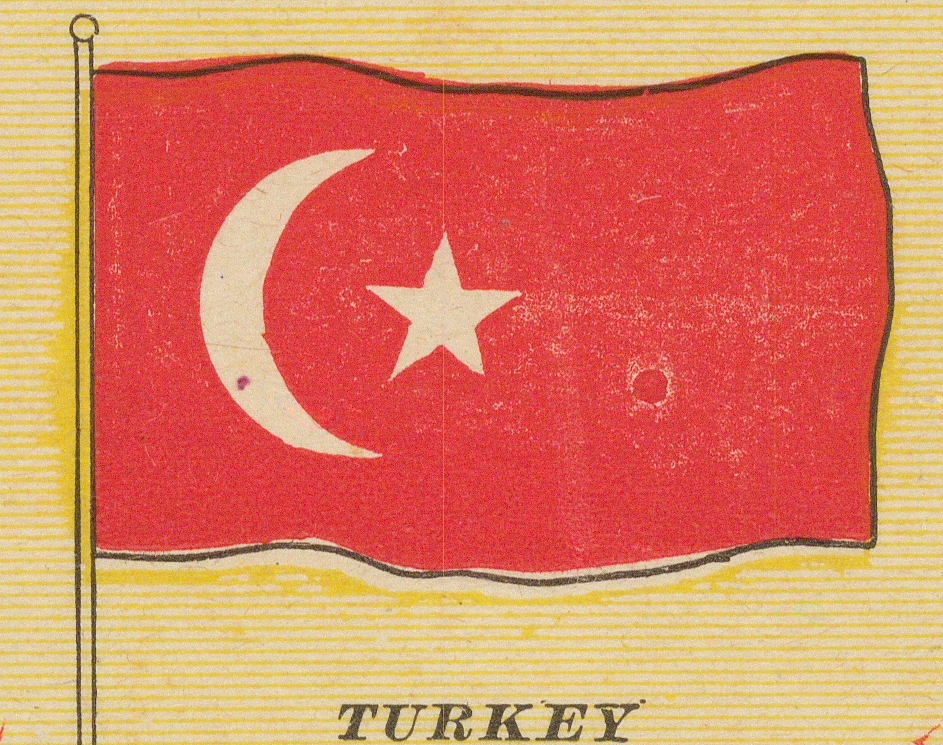
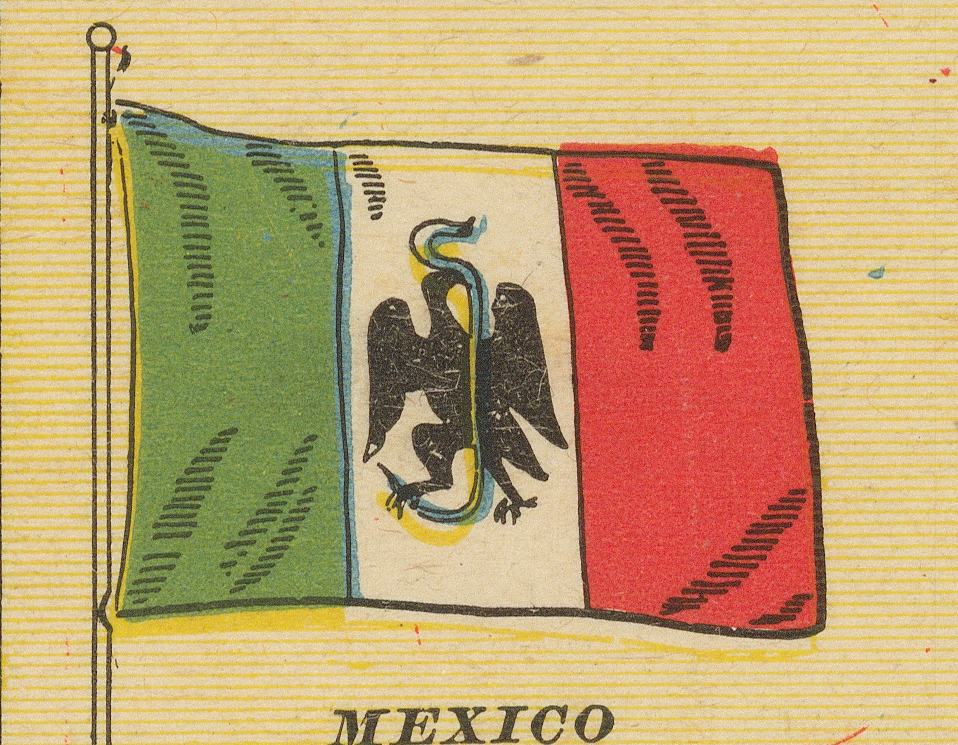
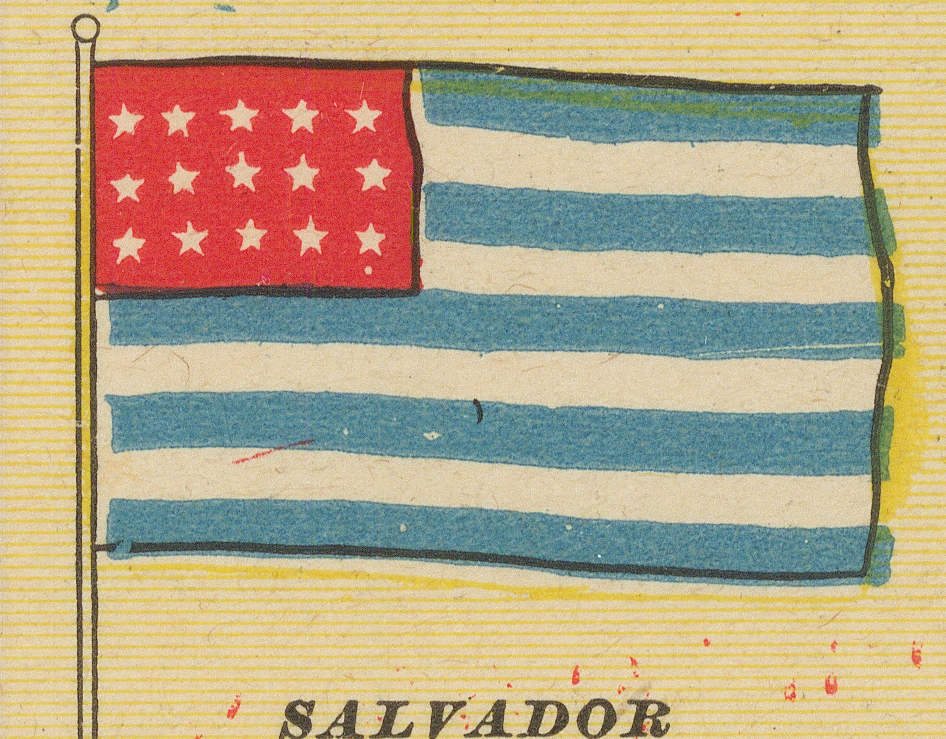
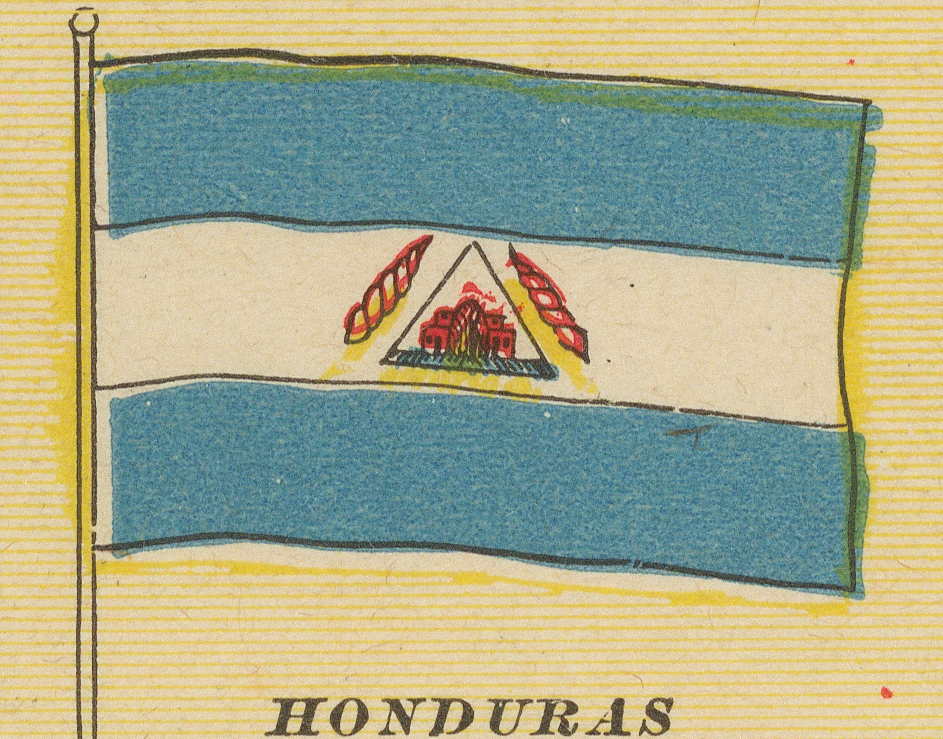
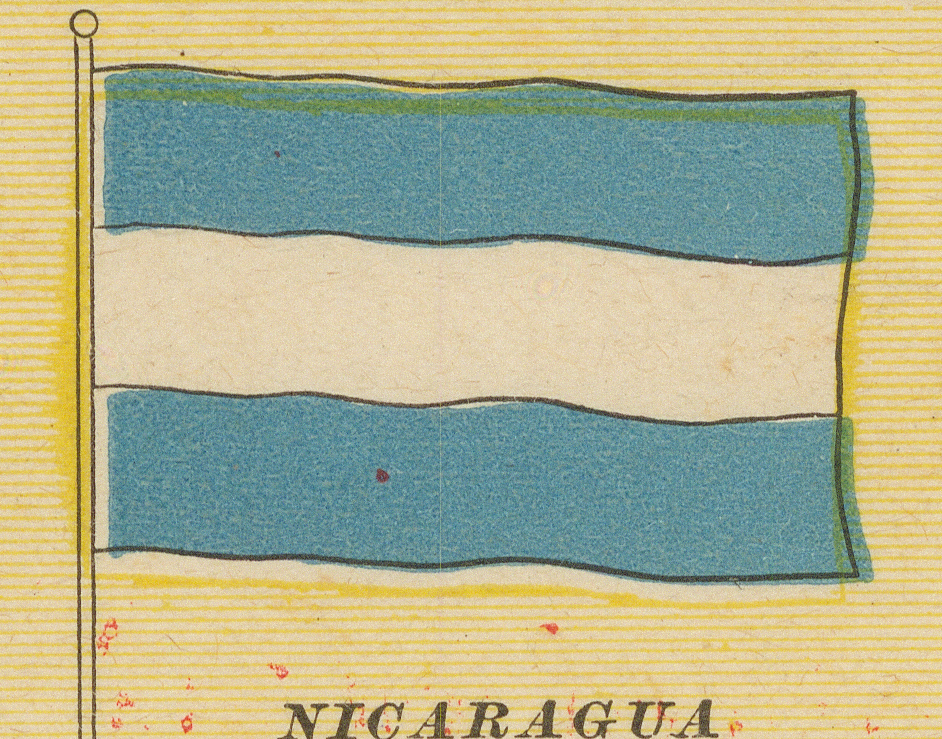
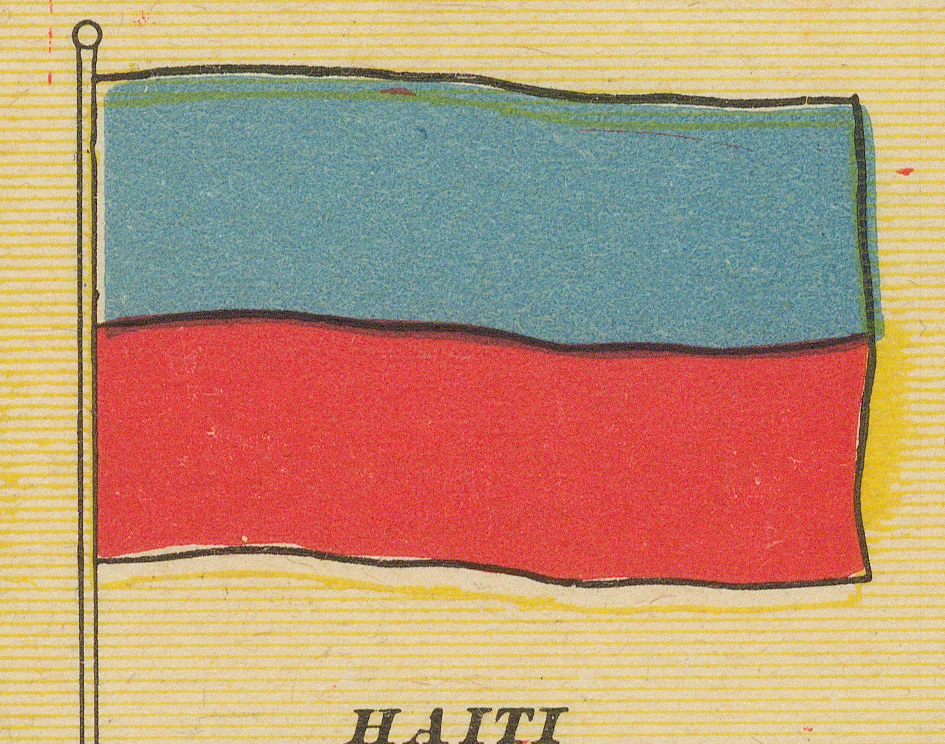
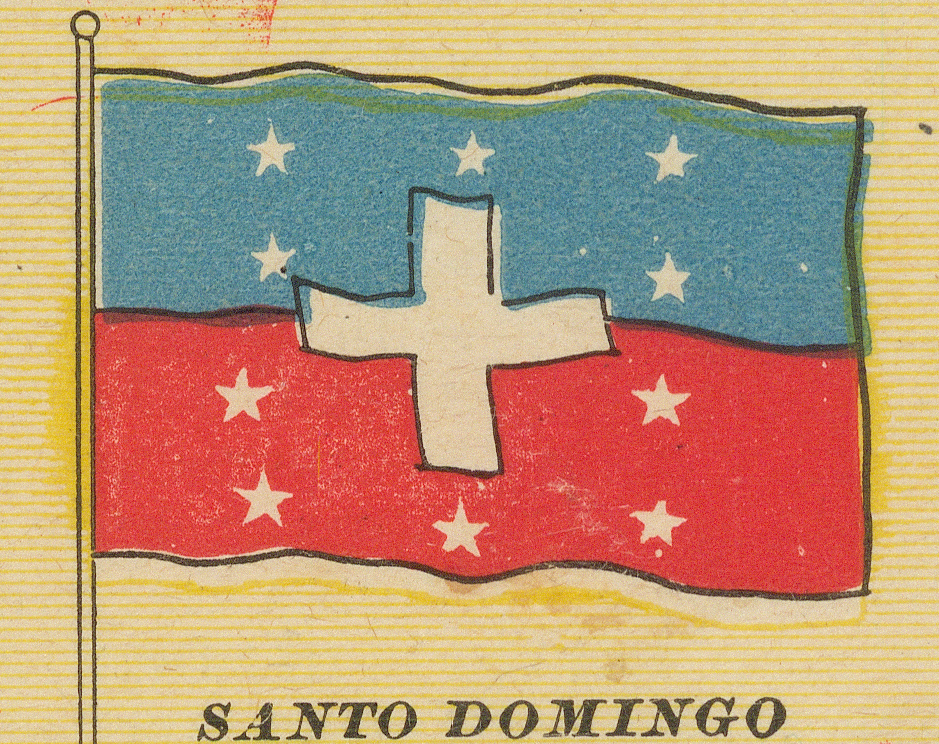
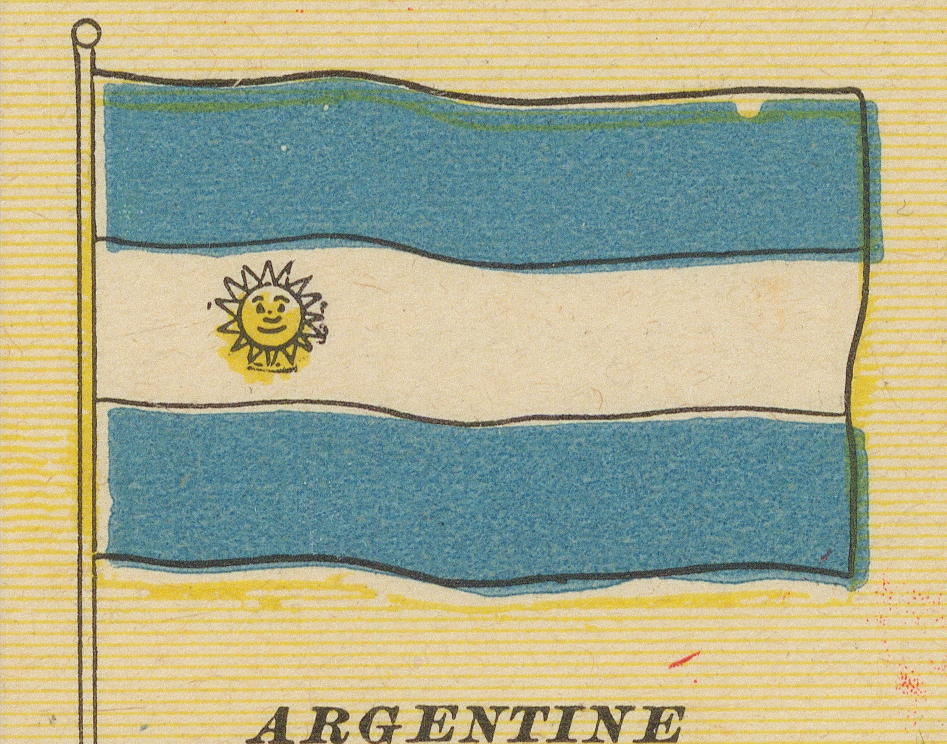
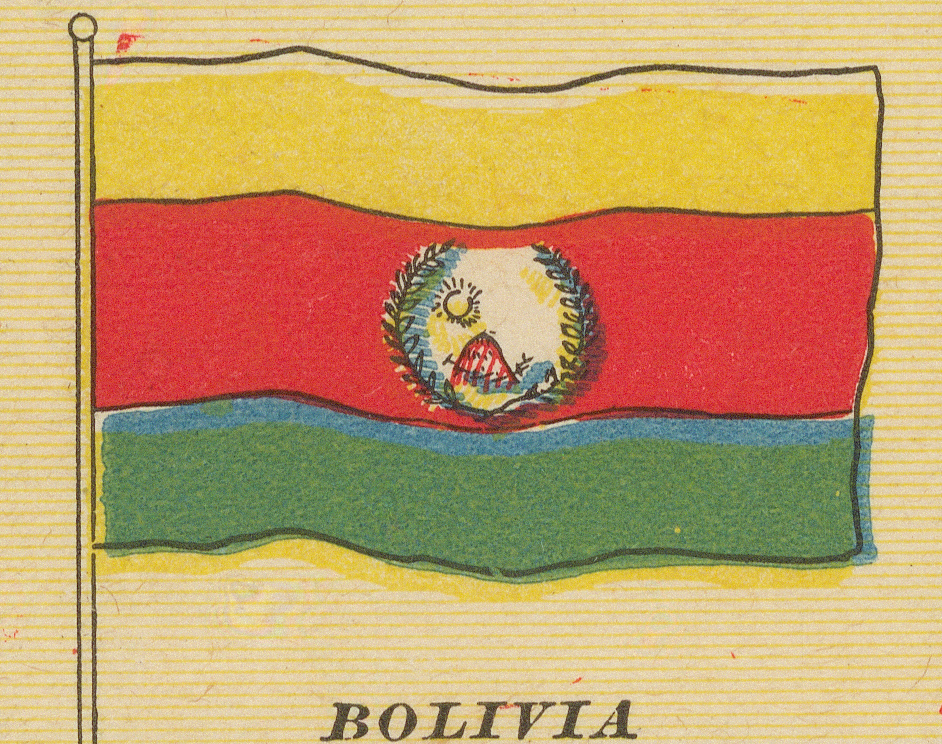
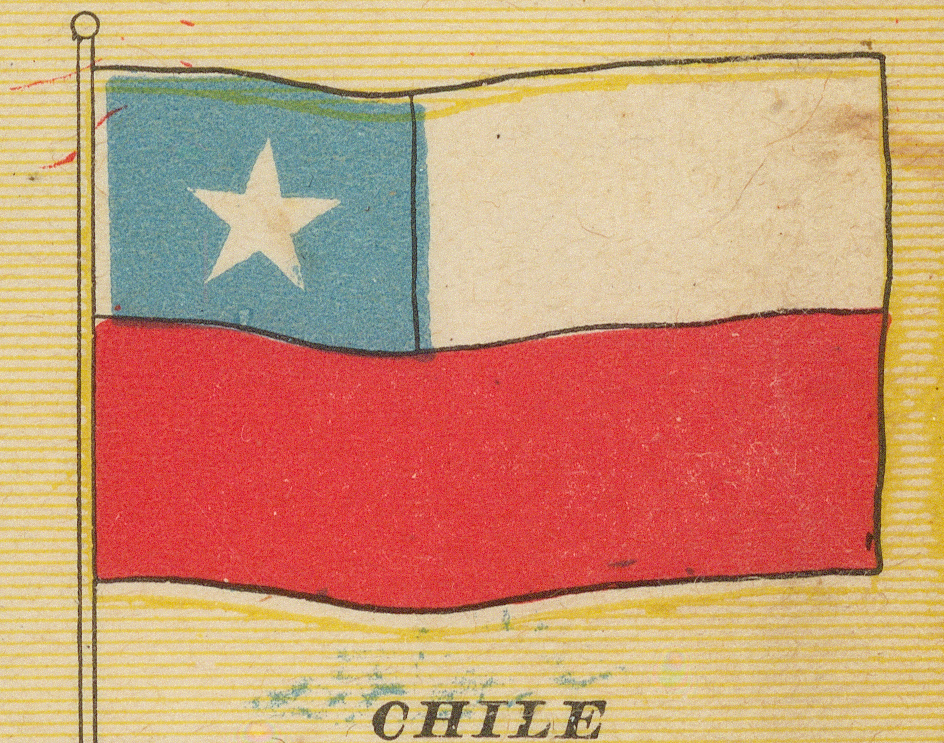
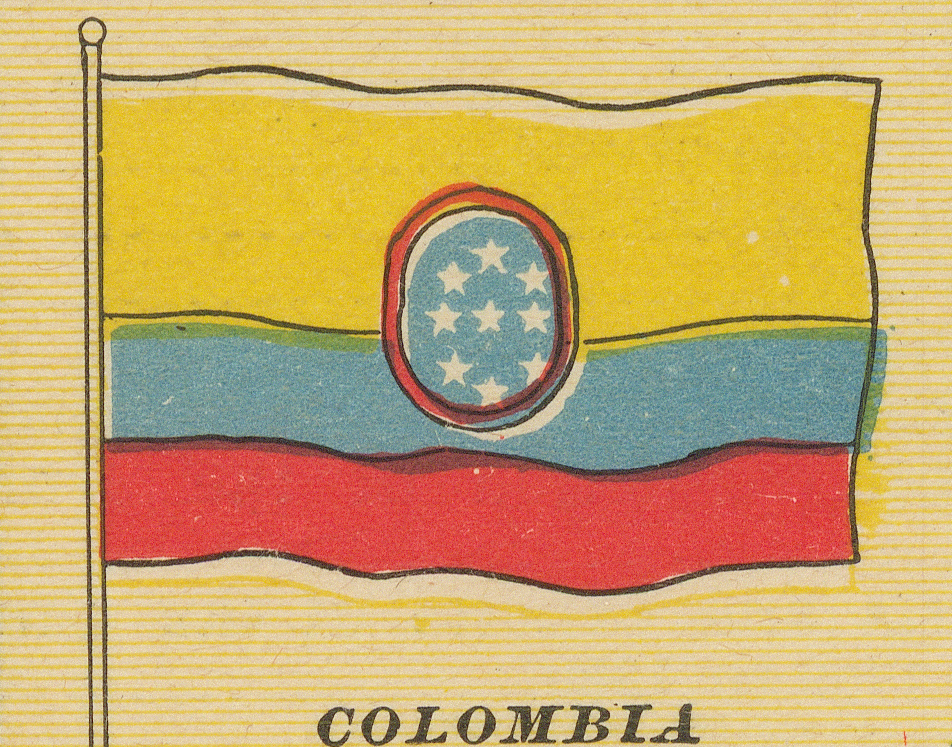
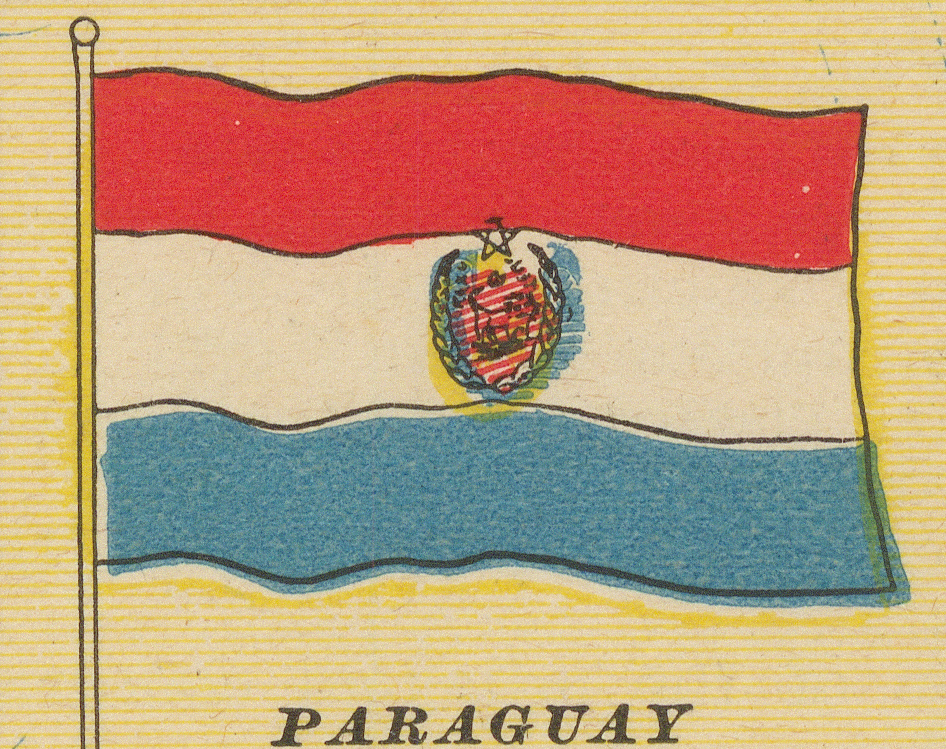
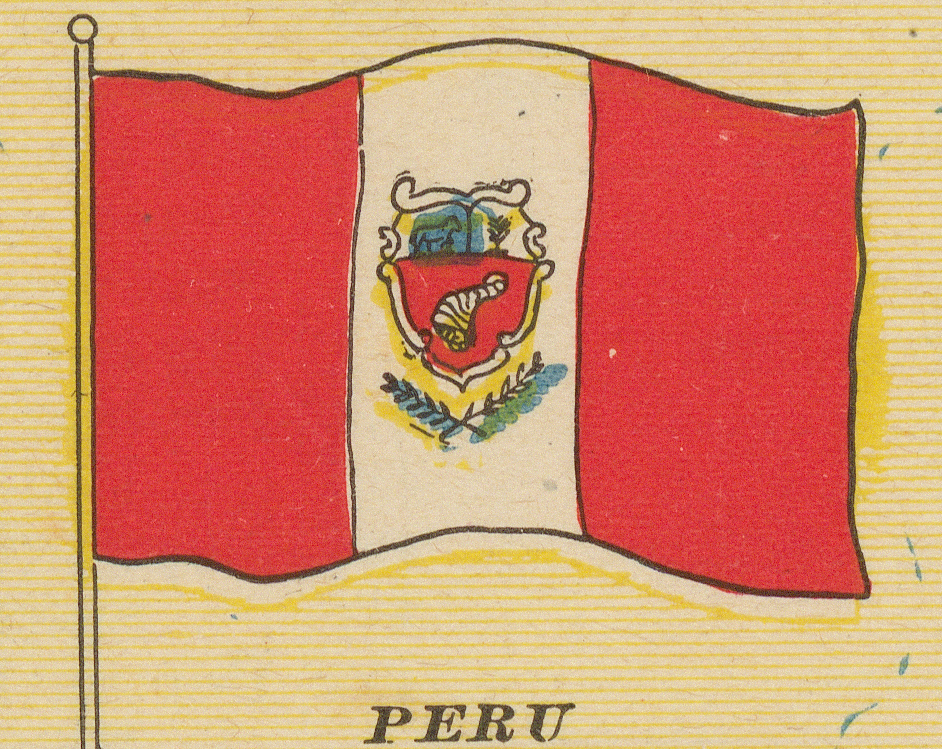
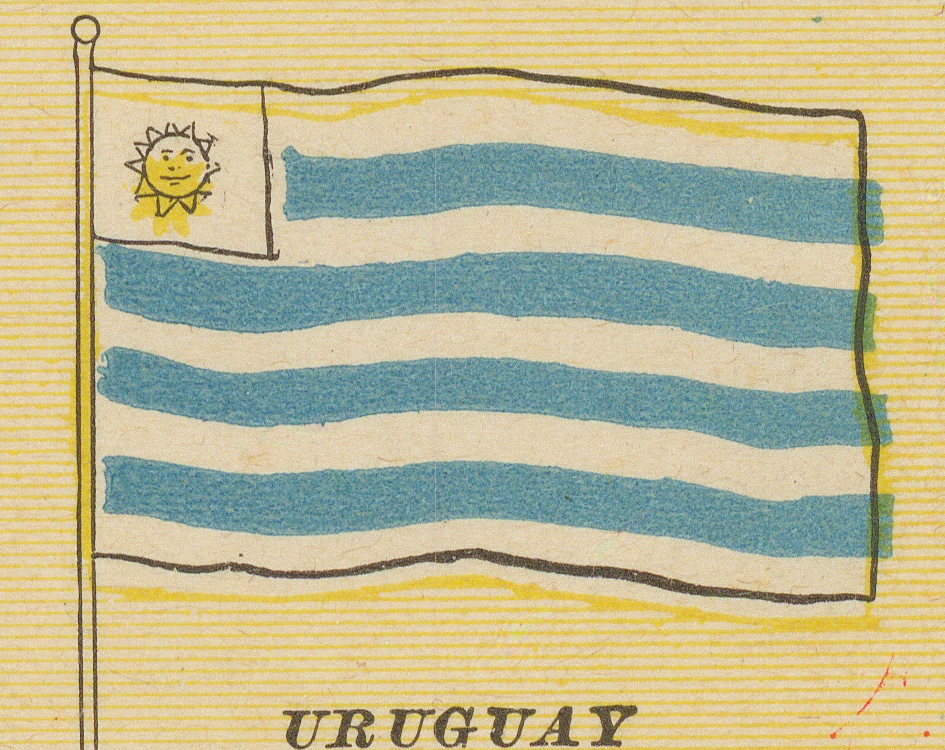
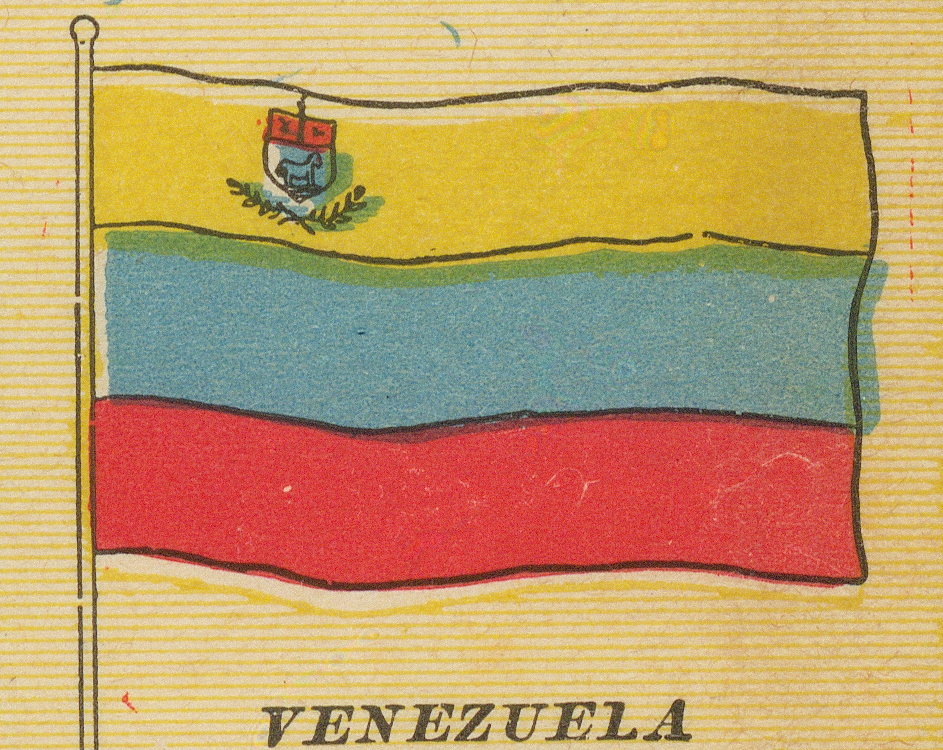
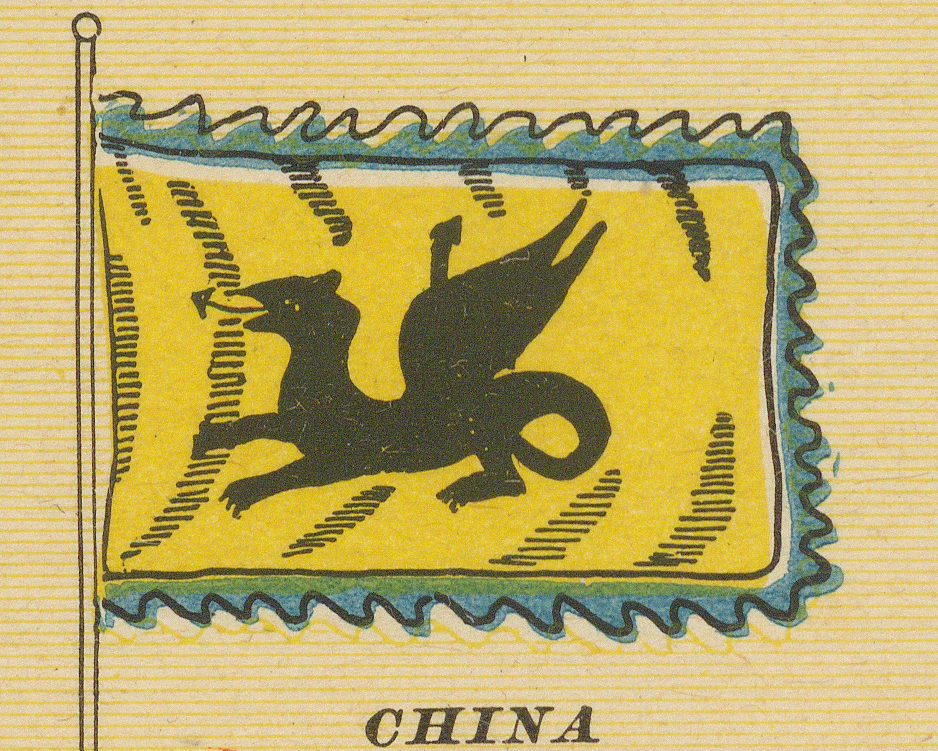
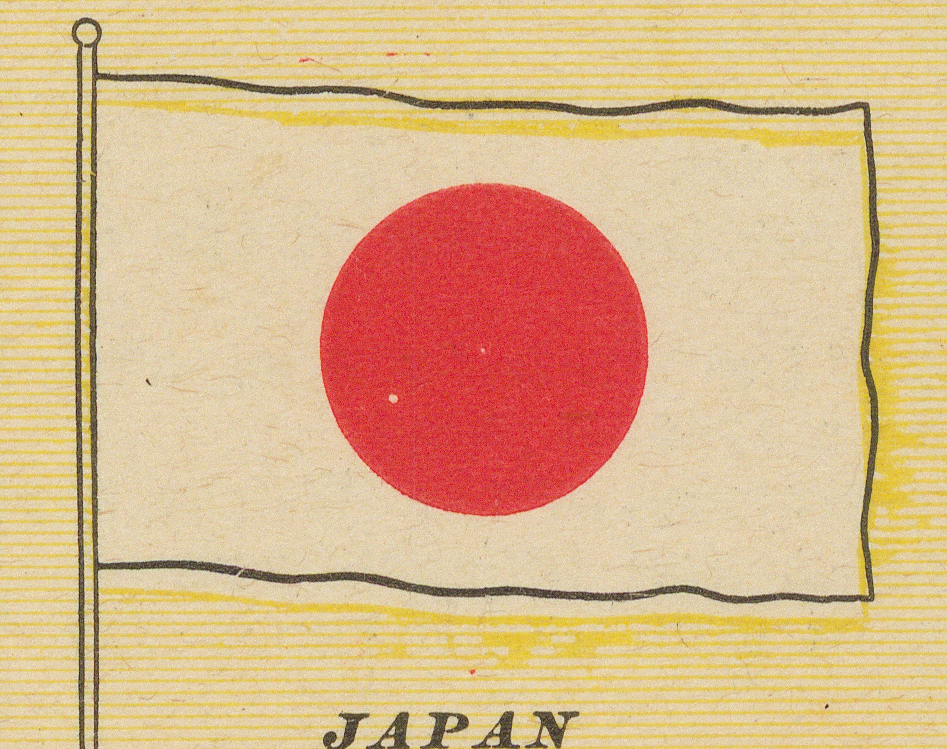
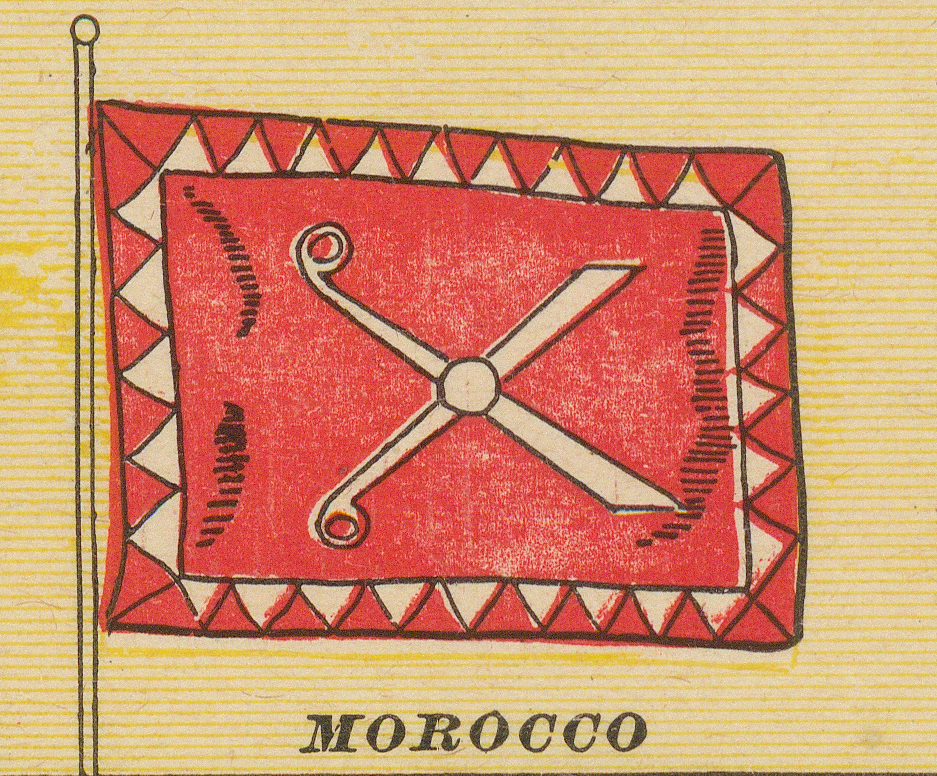
The sheet contains 52 panels, one flag drawing in each, arranged in nine rows and read left to right and top to bottom. The first row gives full-width panels to the United States and Cuba, with the two Great Britain panels between them beneath the title banner. Where the source prints a variant designation in parentheses, it is given on a second line. Select any image to open the full-resolution extraction from the 600 dpi scan.
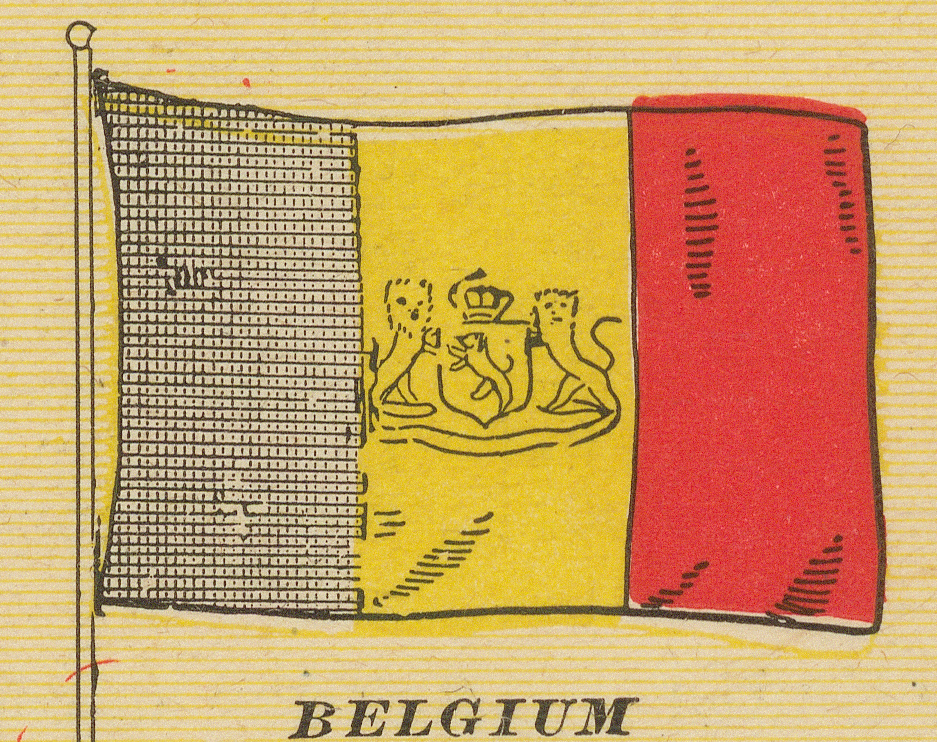
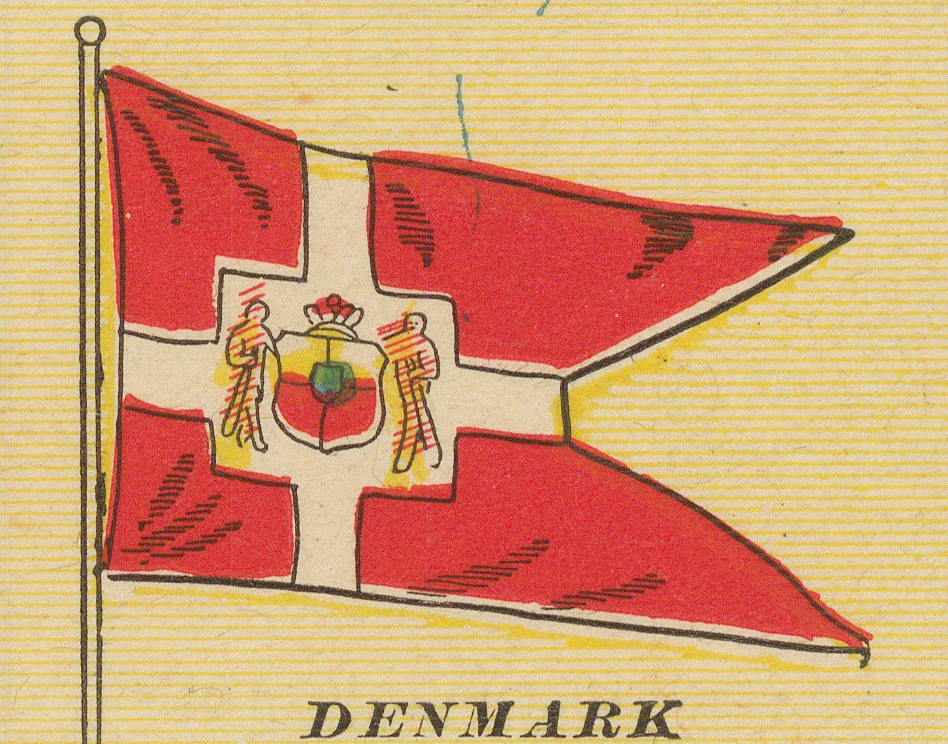
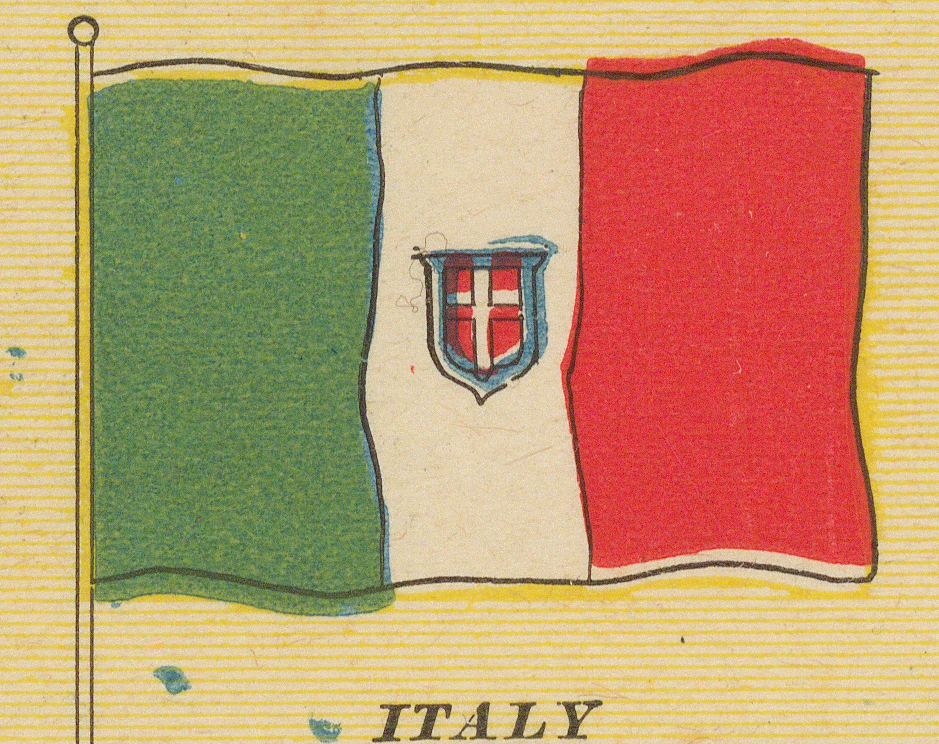
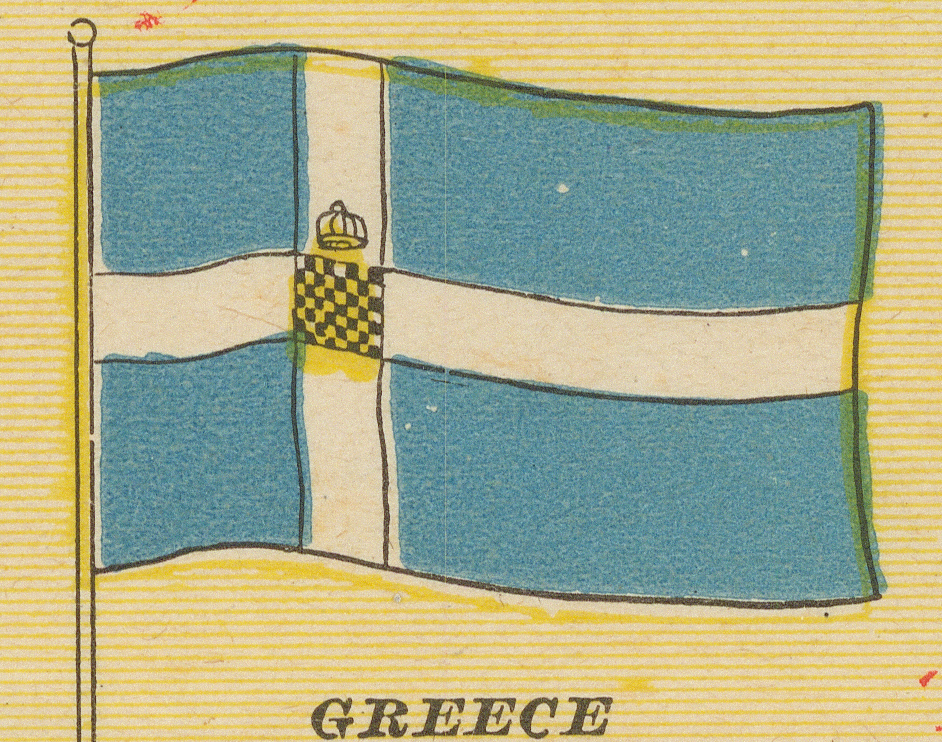
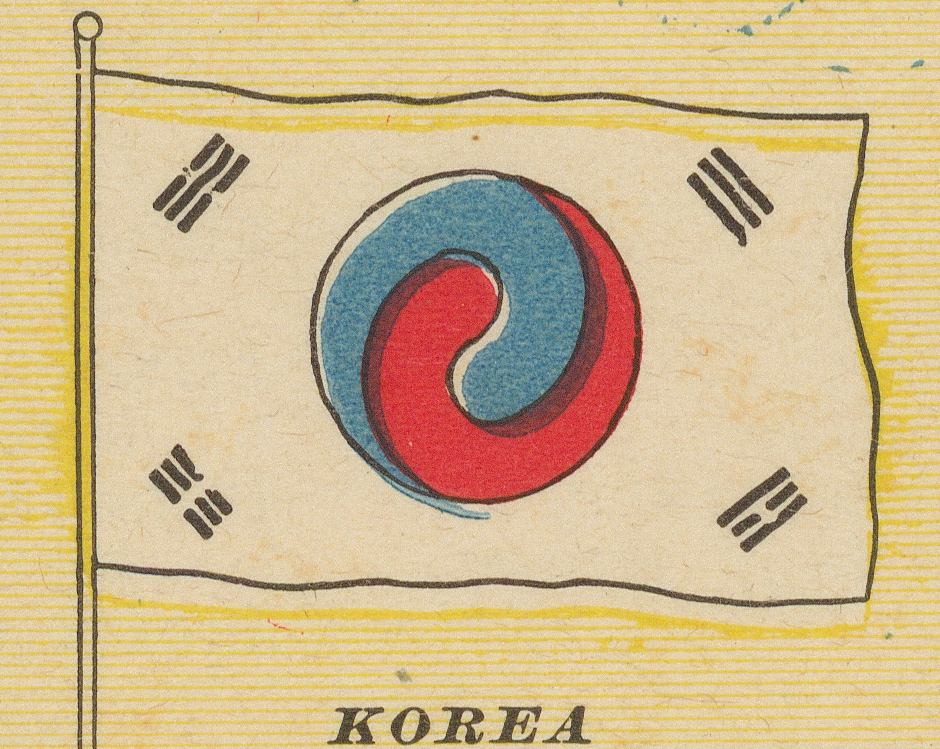
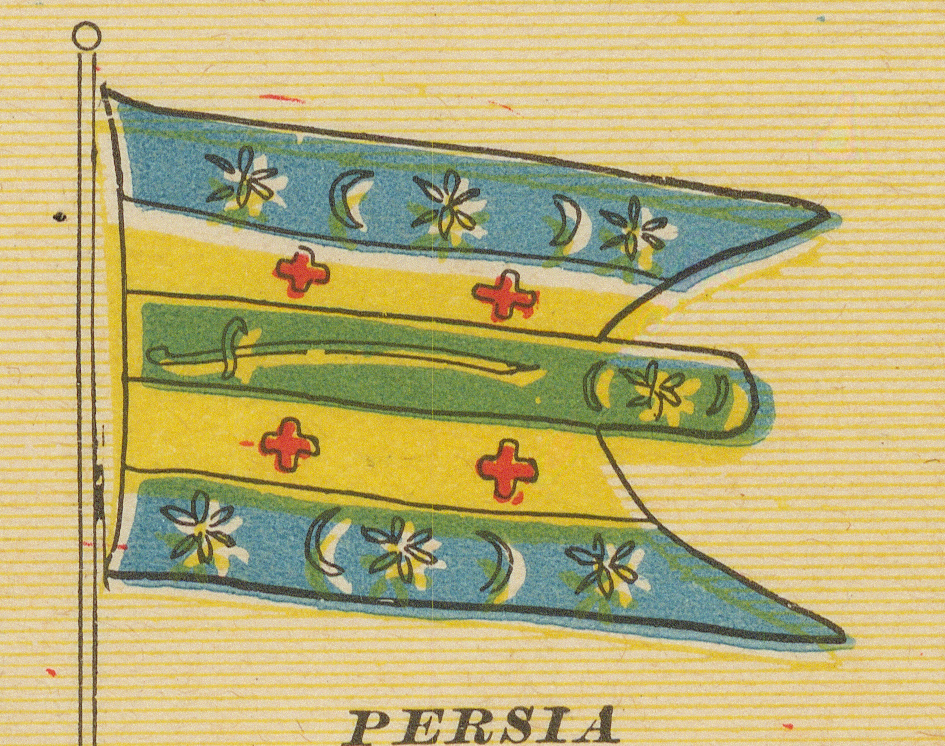
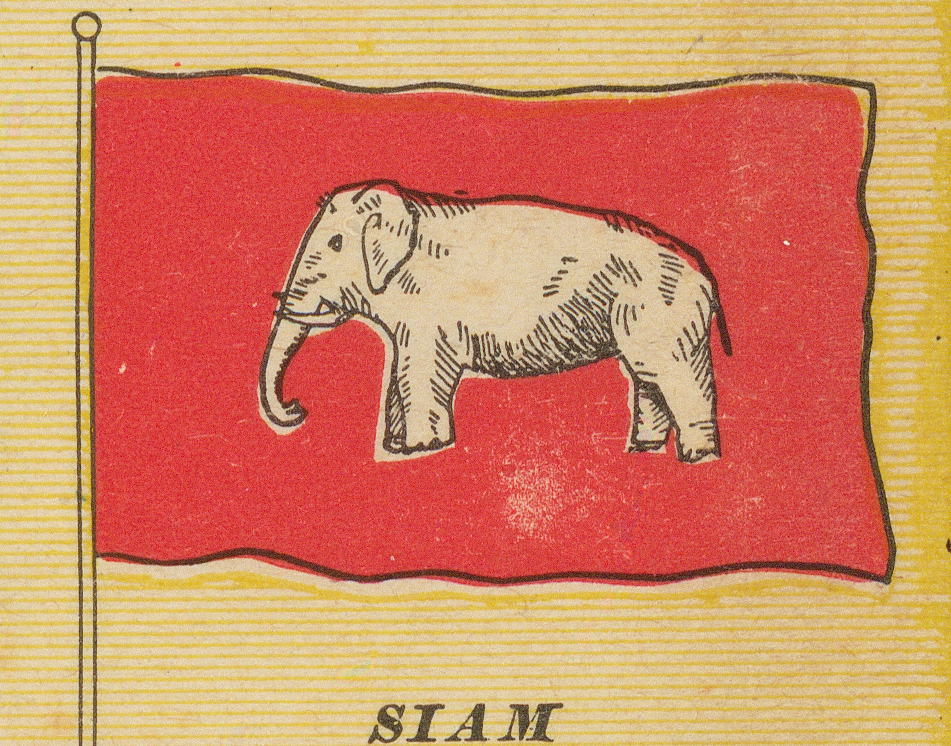
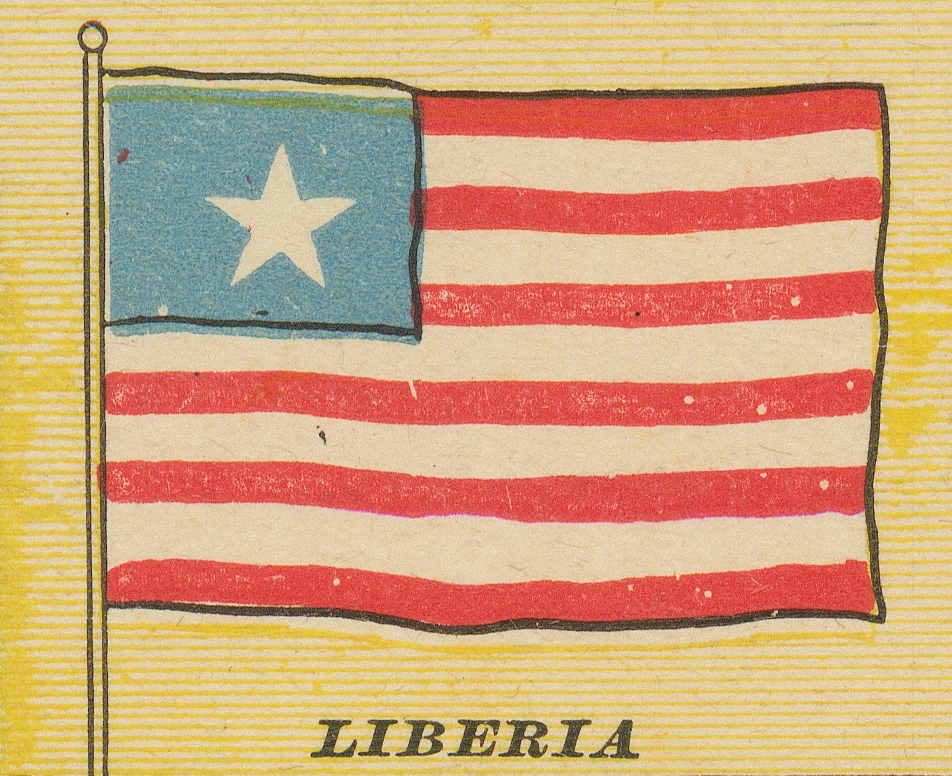
Method and Next Stage
This preliminary index records what is present before interpreting it. Later study pages can compare each depiction with documented historical flags and discuss discrepancies in colour, proportion, geometry, or status.
The sheet is notable for how unevenly current its models were. The United States canton is precisely up to date (45 stars, official from 1896), yet Brazil is shown under the imperial flag a decade after the republic replaced it, Ecuador under a flag discarded in 1860, and Guatemala under the banded pattern superseded in 1871. The Santo Domingo panel matches no documented Dominican flag, and the Morocco panel repeats the crossed “scissors” device that European and American flag charts had copied from one another since the eighteenth century. Each of these invites an individual study distinguishing the publisher's sources from contemporary practice.
The Hawaii panel joins the depictions collected on the Hawaii (Sandwich Islands) polity page, which places printed source evidence beside the documented history of the flag.
Bibliographic References
- Flags of All Nations, complete sheet in the present collection; title and captions transcribed from the sheet.
© Encyclopaediae. Open educational reference project.